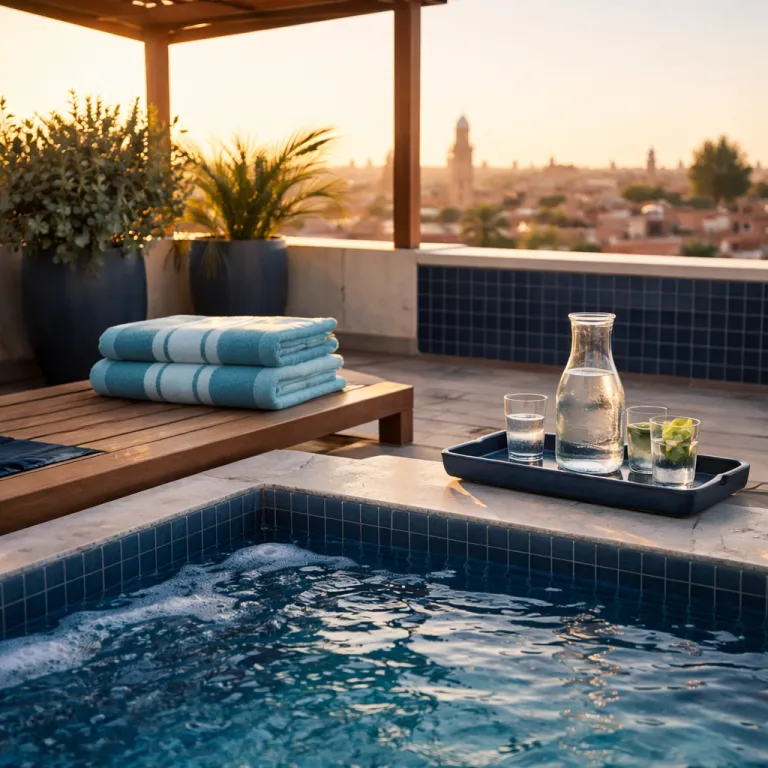
Why marrakech hammam spring rituals feel perfectly timed
Spring in Marrakech gives the hammam sequence room to breathe. With daytime highs usually in the mid to high 20s °C (around 77 to 86 °F), a traditional Moroccan hammam followed by a shaded spa courtyard feels balanced rather than draining. By late June, when Marrakech afternoons often climb well above 30 °C, the same full body heat and steam can tip from restorative to overwhelming for many visitors, especially after longer sessions of 45 to 60 minutes.
Think of the classic rhythm as heat, water, then air: a traditional hammam, a plunge or cool shower, and finally a courtyard or riad terrace where your body cools slowly. In spring that arc works beautifully because the air outside the spa hammam is warm enough to keep muscles relaxed, yet cool enough that you are not fighting the climate after intense hammam treatments. Couples planning a luxury stay in Marrakech should build at least one full morning around this traditional Moroccan pattern for the most authentic experience, ideally allowing two to three hours from arrival to post treatment rest.
The cultural roots matter as much as the temperature curve. A Moroccan hammam is a steam bath designed for purification, social connection, and mental reset, and public hammams in the medina still carry that role for locals. When you step into more private hammams inside luxury riad properties, you are entering a modern interpretation of traditional hammams, where treatment rooms, controlled water temperature, and curated spa menus turn a public ritual into a private hammam experience tailored to couples; always confirm current offerings, prices, and timings directly with your chosen spa before you book.
Where spring hammam menus truly earn their royal status
Only a handful of Marrakech properties really understand how Marrakech hammam spring rituals should respond to the season. Royal Mansour is widely recognised among that group, with the Royal Mansour Spa shaping its hammam spa menus around orange blossom and rose water when the surrounding gardens are in bloom, according to recent guest reports and hotel descriptions. Those ingredients simply do not carry the same intensity later in the year, so this is the moment when a royal style treatment feels genuinely tied to place and to the wider rhythm of the city’s gardens.
Inside the spa, white wrought iron pavilions filter the light, and treatment rooms stay cool while the hammam itself holds dense, fragrant steam. A therapist works black soap across your skin before using a kessa glove for a full body exfoliation, then layers on ghassoul clay infused with seasonal florals for one of the best hammam treatments in Marrakech. For couples, a private hammam suite here turns the traditional Moroccan sequence into a quiet, almost ceremonial experience that justifies the higher cost compared with public hammams, with many signature rituals lasting around 60 to 90 minutes.
Spring also brings thoughtful menus at La Mamounia and Selman, where spa hammam rituals pair rose petals, neroli, and sometimes fresh herbs from on site gardens. These luxury hotels understand that a good hammam experience in spring is not only about heat and water, but about fleeting scents that echo through the riad courtyards and palm shaded pools. If you are pairing your stay with an Agafay escape, look for refined wellness focused retreats near the desert in this guide to Agafay desert escapes near Marrakech so your spa rhythm continues beyond the city, and ask each property for sample spa brochures or contact details when you reserve your room.
How to book hammam time and structure a spring spa day
For couples targeting the best Marrakech hammam spring slots, the realistic booking window has tightened. Seven to ten days ahead is now a sensible minimum if you want a private hammam at peak times in properties such as Royal Mansour, La Mamounia, Riad Joya, or El Fenn. Leave it later and you may find only scattered short slots, often at times that clash with the softer morning light or prime dinner reservations, so use hotel concierge contacts or direct spa email addresses to secure your preferred window.
A smart pattern is to book hammam time between 10:00 and 12:00, when the city is warming but not yet at full glare. Start with a traditional Moroccan hammam spa sequence, then move into treatment rooms for massages or targeted treatments that use Moroccan ingredients like argan oil, rose, and orange blossom. After that, step into the riad courtyard pool or a shaded garden where water, filtered light, and a light lunch keep your body in that post treatment calm; many couples find that a 30 to 45 minute pause between treatments helps the benefits land.
To make the day land, pair your spa hammam morning with a slow afternoon and a focused evening. After visiting hammam spaces, wander the souks for an hour, then retreat to your rooms for a nap before a late dinner in the medina or at your hotel. If you are using Marrakech as a base for wider travel, align your wellness days with lighter excursion days, using routes such as this three day Atlas Mountains rhythm from a Marrakech base to avoid stacking long drives on top of intense hammam experiences, and keep a simple written outline of your bookings so the flow stays clear.
From public hammams to palace spas : choosing your spring ritual
One of the real strengths of a Marrakech hammam spring trip is the range of options, from centuries old public hammams to palace level spa hammam complexes. Hammam Mouassine, operating since at least the seventeenth century according to local historians and guidebooks, remains one of the most atmospheric public hammams in the medina, and it offers a direct line into everyday Moroccan life. Typical prices in traditional hammams can sit around 50 MAD for basic access, while luxury hammam spa experiences in palace hotels can reach 1500 MAD or more for extended treatments, though you should always check current rates when you call or email to reserve.
Public hammams such as Hammam Mouassine are simple, steamy, and social, with gender segregated hours and a focus on cleansing rather than curated spa design. Private hammams inside luxury riad properties or hotels, by contrast, offer controlled lighting, dedicated treatment rooms, and carefully sequenced hammam treatments that often include massage, ghassoul wraps, and full body rituals. Eco friendly products, collaborations with local artisans, and the integration of modern spa amenities mean that a heritage spa in Marrakech can feel both deeply traditional and quietly contemporary, especially when therapists share small local details about customs and etiquette.
First time visitors often ask, “What is a hammam?” and the most accurate answer remains: “A traditional Moroccan steam bath for cleansing and relaxation.” They also want to know, “Are hammams gender segregated?” and “Do I need to bring anything to a hammam?”; the clearest replies are: “Yes, with separate facilities or designated times for men and women.” and “It's advisable to bring your own toiletries and towel.” For couples planning a wider Moroccan itinerary with smooth connections, it is worth reading this guide to elegant stays near Casablanca airport so that your hammam Marrakech rituals sit inside a calm, well structured journey, with hotel contact details and transfer times noted in advance.
FAQ about marrakech hammam spring stays
How far in advance should I book hammam treatments in spring ?
For popular luxury hotels in Marrakech, you should book hammam treatments at least seven to ten days in advance during spring. This is especially true if you want a private hammam suite or a couples treatment room in the late morning window. Public hammams usually do not require reservations, but arriving early in the day helps you avoid crowds and gives you time to understand local etiquette before you commit to a longer stay.
What is the difference between public hammams and hotel spa hammams ?
Public hammams such as Hammam Mouassine focus on essential cleansing, steam, and exfoliation in gender segregated spaces used by locals. Hotel spa hammams in properties like Royal Mansour or La Mamounia add design, controlled lighting, and extended treatments that combine traditional Moroccan techniques with modern spa practices. Both can offer an authentic experience, but the level of privacy, service, and comfort differs significantly, so couples should decide whether they prefer a social atmosphere or a quieter, more secluded ritual.
Is spring really the best time for a hammam in Marrakech ?
Spring is often the best season because outdoor temperatures in Marrakech tend to sit in a comfortable range that supports the heat of the hammam without exhausting you. The hammam then courtyard pool sequence works especially well in this window, as your body can cool gradually in shaded riad spaces. Later in summer, higher temperatures make long steam sessions less comfortable for many travelers, and some couples prefer to shorten treatments or move them to very early morning or evening.
How much should I expect to pay for a hammam in Marrakech ?
Traditional public hammams typically cost around 50 MAD for basic entry, with small supplements if you hire an attendant for scrubbing. Luxury hammam spa experiences in palace hotels can cost 1500 MAD or more, especially for extended full body rituals and couples packages. The higher price usually reflects private hammams, longer treatment durations, and premium Moroccan products, so always ask for a clear description of what is included when you make your booking.
What should couples know before visiting a hammam together ?
Couples should check whether the hammam offers mixed gender private hammams or only gender segregated public hammams. In many luxury hotels, you can book hammam treatments in shared treatment rooms designed for two, while traditional hammams usually separate men and women by time or space. It is wise to confirm dress codes, bring your own toiletries, and allow time afterward to rest by a pool or in your rooms, turning the hammam into the centrepiece of a slower Marrakech spring day rather than a rushed add on.