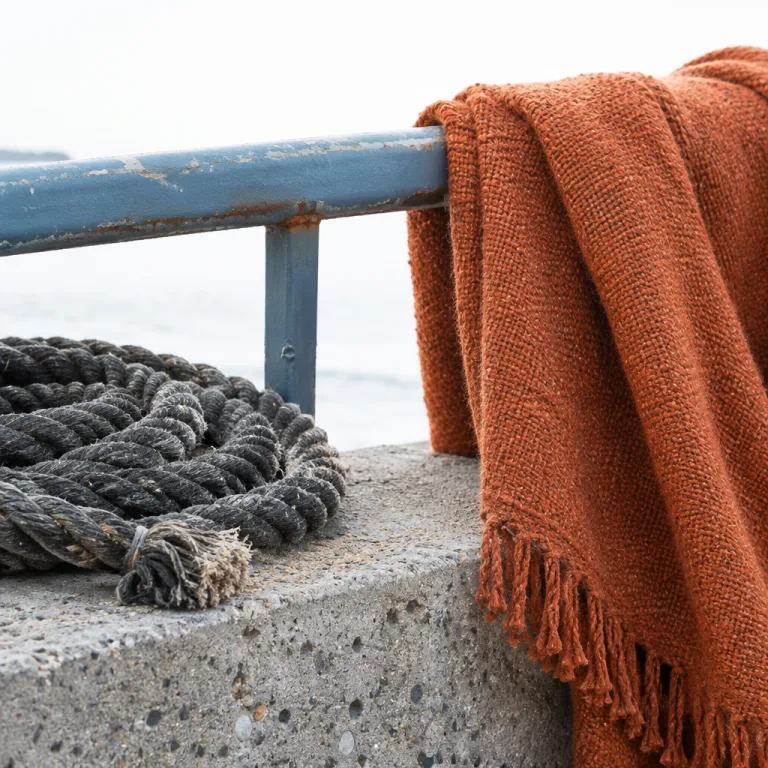
Reading the autumn light: where to stay in Morocco when the heat softens
Choosing where to stay in Morocco this autumn starts with understanding how the light, wind and temperatures shift between regions. Days stay warm across most of Morocco, but the fierce summer edge fades and evenings finally cool enough for a shawl on the terrace. This is the moment when the question of where to stay Morocco autumn becomes less about escaping heat and more about matching your mood to the right city, coast or desert.
Across the country, autumn is the best time of year to balance comfort and atmosphere, especially if you plan to visit several cities. In September and October, temperatures drop gradually in Marrakech, Fès and the other imperial cities, while the Atlantic coast keeps a softer, maritime climate that suits long walks and late lunches. By November, the High Atlas mountains can already show snow capped peaks, yet valleys remain mild enough for hikes among walnut trees and traditional Berber villages.
Think of Morocco as three parallel autumn stories running at once, each with its own rhythm and ideal time to visit. The first story is urban, anchored in the city of Marrakech, the capital city Rabat and the scholarly city of Fès, where the medinas glow in low sun and the call to prayer hangs longer in the cooling air. The second belongs to the coast, from Essaouira to the beaches south of Agadir, where Atlantic winds keep the air fresh and the sea still warm enough for a swim. The third story unfolds in the Sahara Desert and the pre Sahara valleys, where the Sahara sand finally cools and luxury camps reopen their canvas doors after the summer closure.
For many travelers, the best time to visit Morocco runs from spring to autumn, but autumn has a particular clarity that rewards those who wait. From September to November, you can move between the Atlas Mountains, the desert and the cities without chasing shade or air conditioning at every turn. That flexibility is what makes planning where to stay in Morocco this autumn so interesting, because you can design a journey that starts in one climate and ends in another without ever leaving Africa; Morocco compresses an entire continent of landscapes into a single, manageable itinerary.
Marrakech in autumn: medina heat, Atlas horizons and where to sleep between the two
Marrakech in autumn feels like a city exhaling after a long, bright summer. By late September and October, daytime temperatures in Marrakech and Marrakesh’s wider region usually sit in the mid twenties Celsius, while evenings cool enough for a light jacket on a rooftop. This is the good time when the city’s luxury hotels, palace style riads and refined guesthouses can finally open their courtyards all day without guests fleeing to the pool.
When you plan where to stay in Morocco this autumn, Marrakech often becomes your anchor because it connects easily to the Atlas Mountains, the Sahara Desert and the Atlantic coast. In the medina, high walled houses hide plunge pools, carved cedar ceilings and terraces where mint tea appears the moment temperatures drop and the souks start to close. Outside the walls, palm grove estates and low slung villas offer more space, long lawns and views that stretch towards the High Atlas, where snow capped ridges start to appear as the time of year moves towards November.
For couples, the choice between staying inside the city or just outside depends on how you like to experience time. If you want to walk everywhere, stay in the old city of Marrakech or in the newer districts close to the medina, and use early mornings and late afternoons for exploring when the light is softest. If you prefer calm, consider a luxury villa or a small estate in the Palmeraie or on the road to the Atlas Mountains, then dip into the city when you wish ; this kind of stay is explored in depth in our guide to refined Marrakech riad and hotel stays in the medina.
Autumn is also the best time to visit Morocco if you want to combine Marrakech with the High Atlas in a single trip without extreme heat or snow blocking passes. Day trips into the Atlas Mountains from the city take you past traditional Berber villages, terraced fields and original kasbah style properties that cling to hillsides above river valleys. Many travelers choose to spend two or three nights in Marrakech, then move up into the High Atlas for a quieter stretch, using the city as a cultural counterpoint to the mountains and the desert that lie beyond.
Atlas Mountains and High Atlas retreats: where autumn feels like a private season
Once you leave Marrakech and climb towards the Atlas Mountains, autumn takes on a different texture. The air thins, the light sharpens and the scent of wood smoke appears in the evenings as temperatures drop more quickly than in the city. This is where to stay in Morocco this autumn if you want crisp mornings, long lunches on stone terraces and the feeling that the High Atlas belongs almost entirely to you.
In September and October, the High Atlas valleys sit in a sweet spot between the heat of summer and the first serious snows of winter. Trails above villages remain accessible, yet the snow capped summits of the highest peaks start to frame your hikes, giving a sense of drama without demanding technical gear. Many luxury lodges and original kasbah conversions in these mountains are designed for this time of year, with thick walls, fireplaces and panoramic windows that make the most of the changing light.
Choosing where to stay in Morocco this autumn in the mountains depends on how close you want to be to Marrakech and how remote you like your landscapes. Properties in valleys like Ourika and Ouirgane keep you within ninety minutes of the city, which makes them ideal for a combined city and mountain stay. Deeper into the High Atlas, near Imlil and other trailhead villages, you find more traditional Berber communities, mule paths and guesthouses that blend local stone with discreet luxury, often serving mint tea on rooftop terraces as the last light hits the peaks.
For couples planning a longer time to visit Morocco, one elegant strategy is to start in Marrakech, move into the Atlas Mountains for three or four nights, then continue towards the Sahara Desert or the Atlantic coast. This arc lets you experience three climates in a single time of year, from city warmth to mountain cool and finally to desert clarity or sea breeze. Autumn is also the best time of year to attempt this kind of multi base itinerary, because road conditions are generally good and the contrast between regions is marked without being extreme.
Coastal Essaouira and the Atlantic: when autumn belongs to the wind and the waves
On the Atlantic coast, autumn feels different again, and Essaouira shows why many travelers choose the sea when they ask where to stay in Morocco this autumn. The city’s white walls and blue shutters sit under a softer light, and the trade winds that define this stretch of Africa’s Atlantic coast keep the air fresh even when inland cities still feel warm. Daytime temperatures usually hover in the low twenties Celsius, which makes this a great time for long beach walks, harbour strolls and slow lunches with grilled fish.
Essaouira works particularly well in September and October, when the sea is still relatively warm from summer and the crowds have thinned. The medina is compact, easy to navigate and less intense than Marrakech, which makes it a gentle first city in Morocco for couples who prefer a slower rhythm. Many luxury properties here sit either within the old city walls or just outside, offering sea views, courtyards and terraces where you can drink mint tea while watching the light shift over the Atlantic.
Further down the coast, small resorts and villa style properties between Essaouira and Agadir offer more space and privacy. This is where to stay in Morocco this autumn if you want a staffed villa that feels like a private home but operates with hotel level service, something we explore in our guide to villa retreats in Morocco staffed like hotels. Autumn is the best time of year to enjoy these properties, because you can spend full days outdoors without the high summer winds feeling abrasive.
For a balanced itinerary, many travelers pair Marrakech and Essaouira in a single trip, using the three hour drive between the two cities as a gentle transition from medina intensity to coastal calm. You might spend four nights in Marrakech, then three nights in Essaouira, or reverse the order if you prefer to end with the city’s energy. Either way, this combination answers the question of where to stay in Morocco this autumn if you want both culture and sea air without adding internal flights or long drives across the Sahara Desert.
Sahara Desert and southern routes: when the dunes finally cool
Autumn is the moment when the Sahara Desert becomes a realistic and comfortable option for luxury travelers asking where to stay in Morocco this autumn. In high summer, the Sahara sand can be brutally hot, but from late September onwards, temperatures drop enough to make sunset camel rides and starlit dinners not just possible but deeply pleasurable. Nights can already feel cool by October, which is why many high end camps provide thick blankets and fire pits as standard.
There are two main gateways to the Sahara Desert in Morocco for travelers coming from Marrakech or Fès. The first leads towards Merzouga and the Erg Chebbi dunes, where a cluster of luxury camps sit at the edge of the Sahara, offering private tents, hot showers and candlelit dinners under vast skies. The second runs through the Draa Valley towards the more remote Erg Chigaga dunes, where the sense of isolation is stronger and the journey itself, through palm groves and original kasbah villages, becomes part of the experience.
One of the most refined ways to experience the desert in this season is through properties like Dar Ahlam, which sits near Ouarzazate and uses the surrounding valleys and Sahara landscapes as an extended playground. Stays here often include nights in a main house and nights in private desert camps, with each time of day choreographed around light, temperature and silence. For couples, this kind of journey answers the question of where to stay in Morocco this autumn if you want both deep comfort and a sense of adventure without sacrificing safety or service.
Because distances are long, the Sahara Desert works best as part of a longer time to visit Morocco, ideally ten nights or more. A classic arc might run from Marrakech to the High Atlas, then through the southern valleys to the Sahara, before looping back via Ouarzazate and the original kasbahs of the Skoura palm grove. Autumn is the best time of year to attempt this route, because roads are generally clear, river levels manageable and the contrast between day and night temperatures in the desert feels invigorating rather than harsh.
Imperial cities and Rabat: autumn culture from Fès to the capital
While Marrakech often dominates conversations about where to stay in Morocco this autumn, the imperial cities of Fès and Meknès, along with the capital city Rabat, offer a different kind of seasonal charm. In these cities, autumn brings softer light to tile lined courtyards, quieter medinas and a more contemplative rhythm to daily life. Temperatures in Fès and Rabat during October usually sit in the low to mid twenties Celsius, with cooler evenings that suit strolls along boulevards or through old quarters.
Fès, with its dense, layered medina, rewards travelers who enjoy getting lost in time. Autumn is the best time to visit Fès if you want to explore its religious schools, leather tanneries and hidden gardens without the intense heat that can make summer visits exhausting. Many luxury riads and restored houses here offer high level service, traditional Moroccan cuisine and terraces where you can drink mint tea while listening to the city’s layered sounds rise at dusk.
Rabat, as the political capital city of Morocco, feels more orderly and less hectic than Marrakech or Fès, which can be a relief after days in the medina. The city Rabat offers wide avenues, a waterfront promenade and historic sites like the Kasbah of the Udayas, where white and blue houses overlook the Atlantic. For couples asking where to stay in Morocco this autumn who value calm, Rabat’s luxury hotels and guesthouses provide a polished base for exploring both the city and nearby coastal stretches.
For a culture focused itinerary, one elegant way to structure your time of year visit is to combine Fès, Rabat and Marrakech in a single arc. You might start in Rabat for two nights, move to Fès for three nights of deep medina immersion, then end in Marrakech for four nights that mix city energy with day trips to the Atlas Mountains. This pattern works particularly well in autumn, when train connections between cities are comfortable, and the contrast between each city’s character feels heightened by the changing light and temperatures.
Designing an autumn itinerary: how to combine city, coast and desert and when to book
Designing where to stay in Morocco this autumn is ultimately about sequencing climates and experiences so that each place feels like the natural next step. A classic seven to ten night itinerary for couples might start with three nights in Marrakech, continue with two nights in the High Atlas Mountains, then end with three nights in Essaouira on the coast. This route lets you feel the shift from city warmth to mountain cool and finally to sea breeze, all within a single time of year visit.
For travelers with more time, adding the Sahara Desert or the southern valleys creates a deeper sense of Africa; Morocco shows its full range when you include dunes and palm groves. In that case, you might spend two nights in Marrakech, two in the High Atlas, two in the Skoura palm grove near original kasbah properties, two in a Sahara Desert camp and finally two on the coast. This pattern works best between late September and early November, when road conditions are good, temperatures drop enough for comfortable sleep and the snow capped High Atlas remains accessible.
Booking strategy matters in autumn, because this is one of the best times of year to visit Morocco and availability in the most sought after luxury properties can tighten. For September and October stays, aim to secure your rooms three to six months ahead, especially in Marrakech, Essaouira and the High Atlas, where intimate properties have limited inventory. Our guide to why the September shoulder season rewards travelers who wait explains how pricing and demand shift during this period and why spring and autumn, especially from November to April, often deliver the best balance of value and experience.
When you plan where to stay in Morocco this autumn, think in terms of how you want each day to feel rather than ticking off cities. Do you want to wake to the sound of a city coming to life, or to silence broken only by a call to prayer echoing across the mountains. Do you picture yourself holding a glass of mint tea on a Marrakech rooftop, watching the Atlas Mountains turn pink, or sitting by a fire in the Sahara Desert as the sky fills with stars ; once you answer those questions, the right combination of city, coast and desert will follow naturally.
Key figures for autumn travel and hotel stays in Morocco
- According to the Moroccan National Tourist Office, autumn (September to November) regularly accounts for around one third of annual international arrivals, confirming it as one of the peak seasons for visits to cities like Marrakech, Fès and Rabat.
- Average daytime temperatures in Marrakech during October typically range between 20 °C and 28 °C, while coastal Essaouira averages around 20 °C, making both destinations comfortable for outdoor dining and walking without extreme heat.
- In the High Atlas Mountains, autumn daytime temperatures often sit between 15 °C and 22 °C at valley level, but can drop close to freezing at night above 2 000 m, which is why many mountain lodges emphasise fireplaces and heated rooms in this season.
- On the Atlantic coast, sea temperatures off Essaouira and Agadir usually remain between 19 °C and 21 °C through October, allowing for swimming and water sports even as air temperatures cool slightly.
- Desert regions around Merzouga and the Draa Valley often see daytime temperatures between 22 °C and 30 °C in October, with night time lows dropping below 15 °C, which is significantly more comfortable than peak summer highs that can exceed 40 °C.
FAQ: where to stay in Morocco in autumn
Is autumn a good time to visit Morocco for a first trip ?
Autumn is one of the best times to visit Morocco for a first trip because temperatures are generally mild, skies are often clear and crowds are more manageable than in peak summer. Cities like Marrakech, Fès and Rabat feel lively but not overwhelming, while the Atlas Mountains and Sahara Desert are comfortable enough for hiking and desert camps. This season also makes it easier to combine city, coast and desert in a single itinerary without extreme heat or cold.
Where should couples stay in Morocco in autumn for a romantic trip ?
For a romantic autumn trip, many couples choose a combination of Marrakech, the High Atlas Mountains and Essaouira. Marrakech offers atmospheric riads and luxury hotels with courtyards and rooftop terraces, the High Atlas provides quiet mountain lodges with views of snow capped peaks and Essaouira adds a relaxed coastal finale. This mix balances culture, nature and sea air while keeping travel times between bases reasonable.
How many bases make sense for a 10 day autumn itinerary in Morocco ?
For a 10 day autumn itinerary, three or four bases usually work best to avoid constant packing and unpacking. A classic pattern would be three nights in Marrakech, three in the High Atlas or the Sahara region and four on the coast in Essaouira or near Agadir. If you prefer more culture, you could instead combine Marrakech, Fès and Rabat, using trains and private transfers between cities.
Do I need to book luxury hotels in Morocco far in advance for autumn ?
Because autumn is a popular season, it is wise to book luxury hotels and high demand properties several months in advance, especially for stays in September and October. Intimate riads, mountain lodges and desert camps often have limited rooms, so early booking secures the best locations and room categories. Last minute options exist, but they may require more flexibility on exact dates or specific properties.
Is it possible to combine the Sahara Desert and the coast in one autumn trip ?
Combining the Sahara Desert and the Atlantic coast in one autumn trip is entirely feasible if you have at least 10 to 12 days. A typical route might start in Marrakech, continue through the High Atlas and southern valleys to a Sahara Desert camp, then return via Ouarzazate before finishing with several nights in Essaouira. Autumn road conditions and moderate temperatures make this kind of multi climate itinerary particularly appealing.