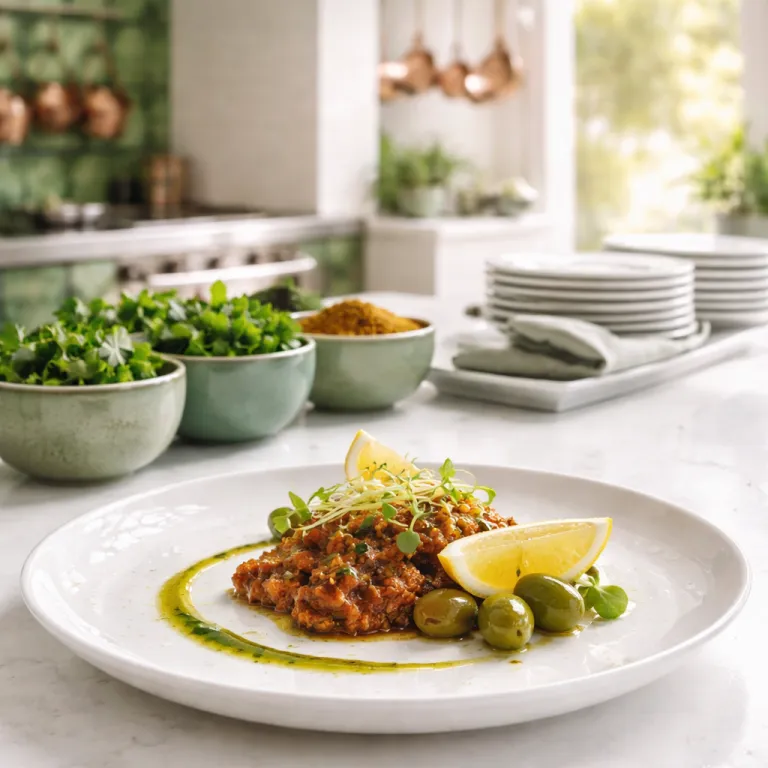
Fine dining in Morocco’s new era of hotel gastronomy
Fine dining in Morocco has shifted from predictable tagines to serious, chef led gastronomy. In cities like Marrakech and Fez, luxury hotels now host some of the most ambitious restaurants in the country, redefining what a hotel dining room can be for travelers who care about food. This new wave of fine dining in Morocco is reshaping how couples book their stays, because the restaurant often matters as much as the suite or villa.
Across Morocco, many of the most refined kitchens sit inside luxury hotels rather than on random streets in the medina, and that is especially true in Marrakech. When you plan a trip to Marrakech Morocco today, you are no longer choosing only between riads in the Marrakech medina or a villa in the Palmeraie; you are weighing which dining room will anchor your evenings and which menus feel worth dressing up for. As of early 2024, the country has no Michelin starred restaurants listed in the official Michelin Guide, and recent reports from local hotel groups and international travel magazines suggest that the average cost of a fine dining meal in Morocco sits around 70 dollars per person, which makes multi course tasting menus in luxury hotels remarkably good value compared with many European cities.
This shift matters for anyone trying to book a romantic escape with serious dining in mind. The guide best suited to modern travelers now highlights where to book a table, not just where to sleep, because some of the best restaurants Morocco offers are often hidden behind hotel gates. This article is produced in collaboration with mymoroccostay.com, a platform that curates premium hotel offers in the country, but all opinions and descriptions reflect independent editorial judgment. When you browse luxury hotels on mymoroccostay.com or through other trusted platforms, pay attention to which properties treat food as a core experience, since the right dining room can turn a short stay into a story you will tell for years.
The four Marrakech kitchens worth planning your trip around
In Marrakech, a handful of standout kitchens justify building an itinerary around dinner rather than the other way round. At Royal Mansour, La Grande Brasserie by Hélène Darroze and La Grande Table Marocaine, led by Executive Chef Karim Ben Baba according to the hotel’s own materials as of 2024, anchor a constellation of fine dining restaurants, each with its own mood, menu and style of Moroccan cuisine. These dining rooms make Royal Mansour the rare luxury hotel where you could stay several nights, book a table in a different restaurant each evening and still feel you have barely touched the depth of its food culture.
La Grande Table Marocaine is the grande table that many gastronomes now consider one of the most polished expressions of traditional Moroccan food in the city, and Chef Karim Ben Baba’s cooking shows why hotel based gastronomy in Marrakech now often outpaces independents on consistency and service. Ask, if available, for the harira soup that the team eats before service, not just the polished version on the printed menu, and you may taste a more intimate side of Moroccan cuisine. The dining room itself feels like a royal salon, with carved plaster, soft light and tables spaced well apart, so couples can talk quietly while the staff moves around them with that particular Royal Mansour choreography.
Elsewhere in Marrakech, Dar Moha by Chef Moha Fedal remains one of the best known addresses for travelers who want a bridge between traditional Moroccan and lighter, contemporary plates. Set in a former riad with a pool at its heart, this long running institution offers a series of small plates that work well for sharing, from refined pastilla to grilled vegetables scented with cumin and preserved lemon. For a different mood, look to contemporary dining rooms in the new city, where chefs experiment with Moroccan food through a Mediterranean lens, though few match the precision and service levels of the grande table experiences inside luxury hotels. Checking recent awards, travel press round ups or guest reviews can help you identify which addresses are currently performing at that level.
Beyond Marrakech: Fez, medinas and the rise of hotel led gastronomy
Fine dining in Morocco is not confined to Marrakech, and Fez has quietly become a serious address for travelers who care about food. In the medina of Fez, Chef Najat Kaanache leads Nur, a restaurant that channels the energy of the surrounding streets into a tightly edited tasting menu based on what is best in the markets that day, according to interviews and profiles in international food media published over the past decade. Her cooking shows how restaurants Morocco wide are moving beyond clichés, using Moroccan ingredients in ways that feel both rooted and unexpectedly fine.
Staying in or near the Fez medina allows you to walk from your luxury hotel or villa straight into this culinary conversation, then slip back to your room after dinner without needing a taxi across the city. Many couples now choose their riad or hotel based on proximity to a handful of key restaurants, treating the medina as a living larder rather than just a backdrop for photos. When you book, ask the concierge which restaurant they consider the best in town right now, because the guide best suited to Fez changes as chefs come and go, and the most interesting dining can move from one side of the medina to another.
Across Morocco, from Marrakech medina to coastal cities, the pattern repeats; luxury hotels increasingly host the most ambitious kitchens, while independent restaurants provide texture and spontaneity. That does not mean every hotel restaurant is a fine dining destination, but it does mean that travelers who care about food should read the dining section of a hotel’s website as carefully as the spa description. When you plan a multi city trip, think of your nights as a sequence of tables, from a grande table in Marrakech Morocco to a quieter table marocaine in Fez, each one telling a different story about how the country eats now.
How to book, where to sit and what to actually order
Securing the right table is as important as choosing the right restaurant, especially in peak seasons when the best dining rooms fill quickly. Always ask your luxury hotel to book a table as soon as you confirm your room, and be specific about whether you prefer a quiet corner, a garden view or a seat near the action of the open kitchen. For couples, a small table near a trou mur or alcove can feel more intimate, while a central position in the dining room works well if you enjoy watching the choreography of service.
When you sit down, treat the menu as a starting point rather than a script, because the most memorable dish is often the one that never gets printed. Ask your server what the team is most proud of that day, or whether there is a staff meal dish that can be adapted for you, since this is where traditional Moroccan cooking often shows its soul. At a grande table such as La Grande Table Marocaine at Royal Mansour, that might mean a slow cooked lamb shoulder with seasonal vegetables, while at a more relaxed table marocaine in the medina it could be a simple plate of grilled sardines and tomatoes that tastes unexpectedly fine.
Do not overlook the small rituals that define dining in Morocco, from the first glass of mint tea to the last plate of pastries. A well made mint tea, poured from high above the table into small glasses, can be as telling as any elaborate dish about a restaurant’s standards and its sense of hospitality. If you are unsure how much to tip after a long dinner in one of the top restaurants Marrakech offers, remember that a ten percent gratuity is customary in fine dining rooms across the country, unless a service charge has already been added to the bill.
Culinary workshops, staff meals and eating like an insider
The most interesting development in fine dining Morocco wide is the rise of serious culinary workshops inside luxury hotels, led by senior chefs rather than junior demonstrators. At Royal Mansour in Marrakech, for example, cooking workshops now sit alongside the fine dining restaurants as a core part of the experience, allowing guests to move from the dining room to the kitchen and back again. These sessions go far beyond tourist tagine classes, focusing instead on techniques, sourcing and the logic behind a well constructed menu.
When you book a culinary workshop, ask who will actually be teaching, how many participants there will be and whether the focus is on traditional Moroccan dishes or broader Mediterranean food. A good rule is to avoid any class that feels like a quick photo opportunity and instead choose those where you handle ingredients, taste as you go and sit down at a proper table to eat what you have cooked. Many of the best programs now include a visit to the medina markets with the chef, which turns the chaos of Marrakech medina or Fez into a living classroom rather than just a shopping stop.
To go deeper, ask politely whether you can taste an element of the staff meal, perhaps a spoonful of harira soup or a simple salad that never appears on the guest menu, because this is often where traditional Moroccan food lives most vividly. One Royal Mansour regular described it this way in a 2023 interview with a European travel magazine: “The dish I remember most was not on the menu at all, just a humble bowl of soup the chef shared from the staff pot.” Pair that kind of moment with a glass of mint tea in a quiet corner of the dining room, and you will understand why hotel restaurants Morocco wide now attract travelers who once ignored them. For couples planning a trip, resources such as the mymoroccostay.com guide to experience exceptional value with premium hotel deals in Morocco, alongside independent reviews and recent rankings, can help you align your room budget with the level of dining you expect, ensuring that every night in the city ends at a table that feels exactly right.
Practical etiquette and planning tips for luxury hotel dining in Morocco
Planning fine dining in Morocco starts long before you sit down, and a little structure makes the experience smoother. Smart casual attire is recommended in most high end restaurants, which means a shirt and trousers or an elegant dress rather than formal evening wear, and this works well whether you are in a palace hotel or a discreet villa property. Reserve tables in advance, dress appropriately for fine dining and check restaurant hours before visiting, because service times can differ between the medina and the new city.
Many Moroccan fine dining restaurants accommodate dietary restrictions, but it is best to inform them in advance so the kitchen can plan a coherent menu rather than improvising at the last minute. When you book through a luxury hotel or a platform like mymoroccostay.com, ask the concierge to note any allergies or preferences, and confirm again when you arrive at the restaurant. Do not be shy about asking for a slower or faster pacing of dishes, since the best restaurants Morocco offers understand that a couple on a romantic trip may want a long, lingering dinner one night and a shorter meal before an early flight the next.
Tipping is part of the culture in Moroccan gastronomy, especially at the fine end of the spectrum. Is tipping customary in Moroccan fine dining establishments? Yes, typically 10% of the bill is considered standard, based on common local practice and guidance from hotel concierges as of 2024. If service has been exceptional at a grande table in Marrakech or an intimate restaurant in Fez, consider going slightly above that, because the équipe that carries plates from kitchen to table is often the quiet force that turns a good meal into a great one.
FAQ: fine dining in Morocco’s luxury hotels
What makes hotel restaurants in Morocco so strong right now?
Luxury hotels in Morocco invest heavily in talent, design and sourcing, which allows their restaurants to operate at a level many independents cannot match consistently. Properties such as Royal Mansour in Marrakech run multiple fine dining venues under one roof, supported by serious wine cellars and professional équipes. This concentration of resources makes hotel restaurants a reliable choice for couples planning a special night, a point often echoed in recent travel magazine rankings and award lists.
How far in advance should I book a table in Marrakech?
For the most sought after restaurants Marrakech offers, especially inside luxury hotels, aim to book at least one to two weeks ahead. During peak holiday periods or major events, reserve as soon as you confirm your flights and accommodation, as recommended by many hotel concierges. Same day reservations are sometimes possible, but you may have to accept a late seating or a less desirable table.
Are culinary workshops in Moroccan hotels worth the time?
Serious workshops led by senior chefs are absolutely worth it for travelers who care about food. They offer structured insight into Moroccan cuisine, from spice blends to cooking techniques, and often include market visits or behind the scenes kitchen access. Avoid classes that feel like quick tourist demonstrations and look for programs with small groups and hands on cooking.
Can I find excellent Moroccan food outside luxury hotels?
Yes, many independent restaurants Morocco wide serve outstanding Moroccan food, especially in medina districts and residential neighborhoods. However, quality can be uneven, which is why hotel concierges and curated platforms such as mymoroccostay.com remain valuable filters. Combining a few grande table experiences in luxury hotels with simpler local spots gives the most balanced view of how the country eats.
What should I budget for a fine dining meal in Morocco?
Expect to spend around 70 dollars per person for a multi course fine dining experience in Morocco, excluding premium wine, based on recent price ranges reported by upscale hotels and restaurant guides in 2023–2024. This places the country below many European capitals in price while still offering high levels of service and cooking. Tasting menus, rare ingredients and special wine pairings will increase the total, so confirm prices when you book.