Morocco tourism 2026 and the five crowded months in marrakech
Morocco tourism 2026 is colliding with luxury expectations in very visible ways. With nearly 4.3 million arrivals in the first quarter alone and a national target of 26 million visitors by 2030, the country is learning what happens when a destination built on intimacy suddenly scales. For business travelers extending a work trip into leisure, this surge changes how you should plan every journey, from the first Morocco tour quote in USD to the last mint tea before your airport transfer.
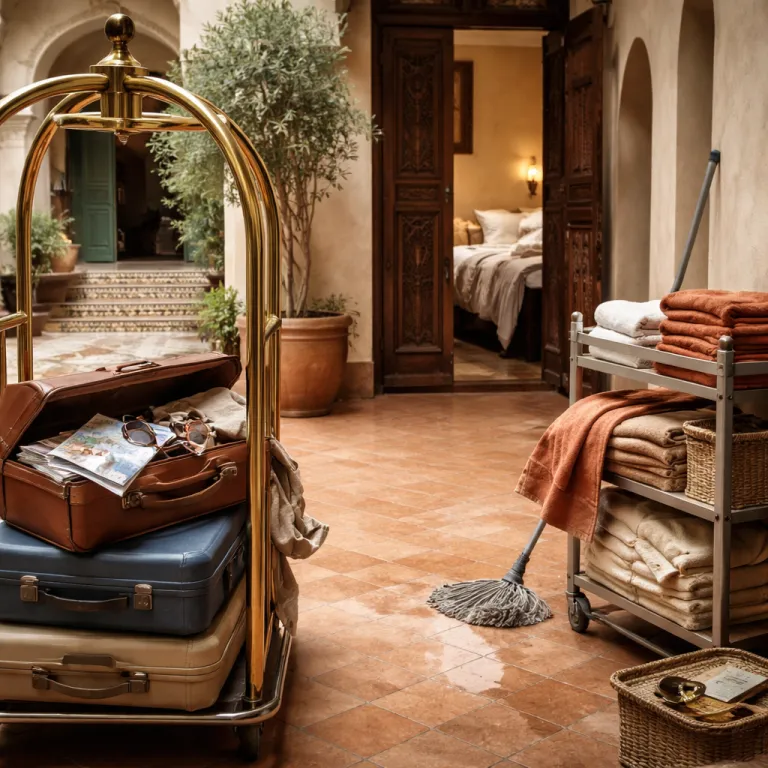
The pressure is sharpest in Marrakech, where five months of the high season now feel radically different from a decade ago. From late March through May and again from late September through early November, the medina lanes tighten, riad courtyards fill with check in luggage, and the classic three adventure days between Marrakech and the Sahara Desert can feel more like a convoy than a private escape. During these peak days, the city offers extraordinary energy, yet travelers seeking quiet should either extend their stay into the shoulder season or shift part of their visit to the Atlas Mountains and the High Atlas plateaus.
Luxury hoteliers in Marrakech report that demand is now so concentrated that some suites sell out months ahead, while off season dates still show significant availability. This is where planning a Morocco trip becomes a strategic exercise rather than a spontaneous decision, especially for executives who need reliable Wi Fi, calm meeting spaces and flexible check out times. As one riad owner in the medina recently noted, “our courtyard used to be full of birdsong at breakfast; now, on peak weekends, it is full of rolling suitcases by 8 a.m.” If you want the old Marrakech feel, aim for midweek stays, avoid major public holidays, and consider a split itinerary that pairs two nights in the city with three nights in a quieter Atlas Mountains retreat such as Kasbah Tamadot or a carefully curated desert camp reached via the classic Marrakech Fes route.
Where the crowds concentrate, and how luxury travelers can still save serenity
The volume of Morocco tourism 2026 is not evenly spread across the country, which matters when you plan to visit Morocco for a high end stay. Marrakech, Rabat, Casablanca and the Sahara gateways absorb most short Morocco trip itineraries, while large stretches of the Atlantic coast, the High Atlas backroads and valleys near Todra Gorge still see far fewer premium bookings. For travelers who value space, this uneven pattern is an opportunity to save time and preserve a sense of calm without sacrificing Moroccan hospitality or service standards.
In practice, many visitors still book a three to five days Morocco tour that runs from Marrakech to the Sahara Desert and back, leaving little time for the mountains or the capital. Yet recent travel data from the Ministry of Tourism show that cultural travelers are increasingly adding Rabat for its museums and diplomatic calm, then heading into the Atlas Mountains for cooler air and slower evenings. Executives combining meetings in Rabat with a family holiday often report that their most memorable moments come not from the medina rush, but from a quiet terrace in the High Atlas where the only sound is running water from an irrigation channel.
Luxury and premium hotel booking platforms such as specialized Morocco hotel curators now highlight these less crowded corridors, steering discerning guests toward kasbah style lodges and discreet city properties. This shift aligns with the Ministry of Tourism’s multi year roadmap, which uses digital marketing and AI tools to spread demand beyond the usual hotspots. For travelers planning Morocco with a focus on comfort, this means that a carefully chosen itinerary can still feel intimate, especially if you allocate more days to the mountains and coastal towns and fewer to the busiest souk districts.
Sustainable luxury, sahara itineraries and the search for the old marrakech feel
Morocco tourism 2026 is unfolding under a new sustainability spotlight, after the UN General Assembly unanimously adopted Morocco's resolution on sustainable tourism and poverty eradication in June 2022 (A/RES/77/254, “Promoting sustainable tourism and sustainable development in Africa”). Tourism Minister Fatim Zahra Ammor has framed this as a chance to align Morocco travel growth with community benefit, at a time when the sector already supports hundreds of thousands of direct jobs. For luxury travelers, the question is how this framework will shape high end offers in practice, from water use in desert camp operations to how often tap water is filtered for guests who prefer not to rely on plastic bottles.
On the ground, the most sensitive pressure points are the Sahara and the Atlas Mountains, where fragile ecosystems meet rising demand for adventure days and family holiday escapes. A classic travel Morocco itinerary now often includes a two night Sahara Desert stay, reached via the dramatic cliffs of Todra Gorge and the palm groves of the Dades Valley, with a final leg toward Fes or back to Marrakech Fes by road. Responsible operators such as Desert Luxury Camp near Merzouga are starting to limit vehicle numbers per tour, invest in solar power for each desert camp, and train local guides to explain why tap water must be used carefully in arid zones, even when guests are paying premium USD rates.
For travelers chasing the quieter, older feel of Marrakech within this new tourism landscape, the most effective strategy is to shorten your medina stay and lengthen your time in the High Atlas or along less visited coasts. Use a curated villa base such as a Marrakech villa rental for refined travelers, then add a carefully planned Sahara extension using a specialist guide to book a luxury desert camp in Morocco. When you plan trip Morocco details, build in travel insurance from the outset, work with local partners who are transparent about sale conditions and cancellation terms, and remember that the best time to visit may no longer match the traditional high season, but the quieter shoulder weeks when tour operators and hoteliers can genuinely give you their full attention.
Key guidance from the tourism roadmap
Morocco's tourism sector experienced significant growth in early 2026. According to a Ministry of Tourism briefing released in April 2026 and summarized in official communications, tourist arrivals in Q1 2026 reached approximately 4.3 million, while tourism revenue over the same period totaled around 31 billion MAD (about 3.1 billion USD at prevailing exchange rates).
The same update highlighted that Morocco's tourism target for 2030 is 26 million tourists and that tourism revenue in Q1 2026 increased by roughly 24% compared to Q1 2025, with March alone welcoming close to 1.6 million arrivals. These figures are consistent with the ministry’s multi year roadmap, which emphasizes higher value stays, diversified source markets and stronger regional hubs beyond Marrakech.
These figures frame Morocco tourism 2026 as a pivotal moment for Moroccan hospitality, especially for high end properties balancing occupancy with service. For travelers, they underline why careful itinerary design, flexible time visit choices and early booking of premium stays are now essential. They also reinforce the value of working with local experts who understand when the best time to visit Morocco aligns with your preferred season, your tolerance for crowds and your appetite for adventure.