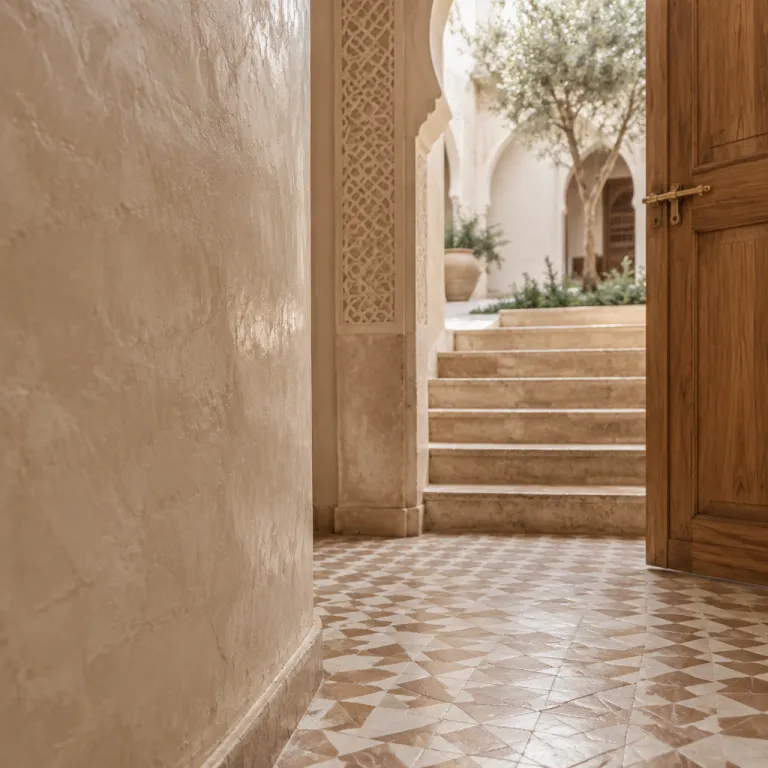
Imperial cities and timeless medinas for luxury minded travellers
Among the most compelling places to see in Morocco, the imperial city of Marrakech stands out for travellers who want refined hotels near a vibrant medina. In this city you will find palace style suites, serene riads, and contemporary luxury properties that frame every visit with attentive service and curated excursions into the historic heart. Many guests say the best way to feel the rhythm of Marrakech is to plan a day that moves from rooftop breakfast to a guided tour of the medina, then back to a spa sanctuary before dinner, with a final pause for mint tea on a lantern lit terrace.
Fez offers a different experience, where the medina feels denser, more scholarly, and deeply traditional Moroccan in its crafts and religious schools. When you explore this city, you will find that the best places to stay often hide behind modest doors, opening into courtyards scented with orange blossom and echoing with fountains, which creates a calm base for a walking tour through the lanes. Luxury concierges in these historic cities in Morocco usually arrange a private guided tour that includes artisan workshops, panoramic viewpoints, and a pause for mint tea on a terrace above the roofs; many travellers report that a half day with a licensed guide costs from around €40–€80 per person, depending on group size and language.
Rabat, the capital city of the country, blends ocean air with diplomatic elegance and offers some of the best things for travellers who prefer quieter evenings. Here you can visit the medina, stroll along the Bouregreg river, and then return to a seafront suite where you will find contemporary Moroccan design and discreet service, which suits guests combining business and leisure. For an extended itinerary in Morocco, pairing Rabat with other cities such as Casablanca, Fez, and Marrakech creates a balanced route that alternates intense medina energy with calmer coastal or riverside stays; the train journey between Casablanca and Rabat takes about one hour, while Rabat to Fez by rail usually takes around three hours.
Casablanca, Rabat and Atlantic elegance along the coast
Casablanca is often overlooked when people list the best places to see in Morocco, yet its oceanfront hotels and Art Deco avenues reward travellers who appreciate urban style. A highlight of any visit to this city is the Hassan II Mosque, a monumental place of worship rising directly from the Atlantic Ocean, where a guided tour reveals intricate zellij tiles and carved cedar ceilings. Many luxury hotels in Casablanca design a day trip rhythm around this landmark, combining a morning visit to the Hassan II Mosque with an afternoon spa session and a sunset cocktail overlooking the sea; premium seafront rooms in five star properties typically start from about €180–€250 per night in high season.
Rabat, as the political heart of the country, offers a softer coastal light and a slower pace than other cities in Morocco. Guests who stay in premium properties near the Oudayas Kasbah can arrange a walking tour through the blue and white lanes, then continue their visit along the riverfront promenade, which is lined with cafés and sailing clubs. One frequent traveller describes ending the day with grilled fish at a simple riverside restaurant, then returning to a boutique hotel where the concierge had already arranged next morning’s transfer to Casablanca’s airport, illustrating how attentive service can simplify multi city stays.
When you plan a luxury holiday focused on the Atlantic Ocean, you will find that many travel guide itineraries suggest combining these cities with Essaouira for contrast. Casablanca and Rabat provide the best things for urban explorers, while Essaouira adds a relaxed, wind brushed charm that appeals strongly to nature lovers and culture seekers. To plan refined coastal escapes with carefully selected hotels in Essaouira, travellers can consult a dedicated resource on Essaouira Morocco hotels for refined coastal escapes on the Atlantic, which helps align each place to visit with the right level of comfort and clarifies whether a riad, resort, or villa best suits your style.
Fez, Marrakech and the art of staying inside living history
Among all the places to see in Morocco, Fez is the city where history feels most concentrated, and where a luxury stay becomes part of the narrative. Many high end properties sit within or just outside the medina walls, allowing guests to step from marble lobbies directly into medieval lanes for a walking tour that feels cinematic. For travellers seeking a curated cultural experience in Fez, this detailed guide to unforgettable attractions in Fez for luxury minded travellers helps match each place to visit with tailored excursions and refined services, from private calligraphy workshops to after hours museum visits.
Marrakech, by contrast, offers a more theatrical energy, where the best things include rooftop cocktails above Jemaa el Fna, spa rituals inspired by traditional Moroccan hammams, and private shopping appointments in design studios. When you stay in the luxury hotels of this city, you will find concierges who can arrange a guided tour of the medina after dark, when the heat softens and the lanterns glow. Many travel guide itineraries suggest at least one full day dedicated to the medina, another day for gardens and museums, and a third day trip into the nearby countryside; the drive from Marrakech to the foothills of the Atlas Mountains usually takes between 60 and 90 minutes.
Staying overnight in these historic cities in Morocco allows you to experience them beyond the day trip crowds, especially once the tour buses leave and the streets grow quieter. For a deeper sense of atmosphere, travellers can explore how the medina transforms after sunset through this perspective on the medina after dark in Fez and Marrakech, which highlights why a place to visit can feel entirely different at night. When planning a trip that combines Fez and Marrakech, you will find that each city offers distinct interpretations of Moroccan heritage, yet both reward unhurried stays in characterful luxury properties; the train journey between the two usually takes around seven hours, so many visitors choose to travel in first class for added comfort.
From the Atlas Mountains to the Sahara Desert in refined comfort
Many travellers consider the High Atlas Mountains and the Sahara Desert among the most unforgettable places to see in Morocco, especially when combined with premium lodges and desert camps. From Marrakech, a day trip into the Atlas Mountains can include a guided tour of Berber villages, lunch on a terrace overlooking snow capped peaks, and a return to a spa suite by evening. For nature lovers who want more time in the mountains, a two or three day stay in a luxury kasbah style hotel allows you to experience sunrise hikes, traditional Moroccan cooking classes, and stargazing far from the city lights, with private drivers typically charging from around €120–€180 per day for vehicle and fuel.
Continuing east, the road trip towards the Sahara Desert often passes through the Dades Valley, where ochre cliffs and palm groves create some of the best places for landscape photography. Many travel guide routes suggest breaking the journey with an overnight stay in a comfortable guesthouse, turning a long day of driving into a relaxed exploration of villages and viewpoints. When you travel through Morocco with a focus on scenery, you will find that the combination of the Dades Valley, the Atlas Mountains, and the desert dunes offers a powerful contrast to the coastal cities, and most travellers allow at least three days to travel from Marrakech to the dunes and back without feeling rushed.
Luxury desert camps near Merzouga or Chegaga transform a simple place to visit into a fully immersive experience, with private tents, fine dining under the stars, and sunrise camel rides across the sand. Guests often describe this part of the trip as the moment when the country feels most timeless, especially when music and storytelling around the fire connect them to traditional Moroccan desert culture. Whether you choose a short day trip into the dunes or a multi night stay, the Sahara Desert remains one of the essential places to visit for travellers who want both comfort and a sense of vastness; premium camps frequently start from about €200–€350 per night including dinner and breakfast.
Aït Benhaddou, Dades Valley and cinematic landscapes
On many curated itineraries of places to see in Morocco, the fortified village of Aït Benhaddou appears as a highlight between Marrakech and the desert. This UNESCO listed place to visit rises above the Ounila Valley, its earthen towers glowing at sunset, and it has served as a backdrop for numerous films and series. Travellers who stay in nearby luxury lodges can arrange a guided tour through the alleys of Aït Benhaddou, then return to terraces where they will find panoramic views and refined Moroccan cuisine; the drive from Marrakech over the Tizi n’Tichka pass to this region generally takes around four hours in good weather.
The Dades Valley, often combined with Aït Benhaddou on a multi day road trip, offers winding gorges and terraced fields that appeal strongly to nature lovers and photographers. Many visitors consider this valley one of the best places in the country for scenic drives, especially along the famous hairpin bends that climb towards high viewpoints. When you explore Morocco with a private driver, you can pause frequently to explore villages, walk short trails, and enjoy traditional Moroccan hospitality in family run restaurants, where a three course tajine based lunch might cost the equivalent of €10–€15 per person.
Luxury and premium hotel booking platforms focused on this region help travellers match each place to visit with the right level of comfort, from kasbah style suites overlooking the Dades Valley to contemporary properties near Ouarzazate. A well planned trip might include a day exploring Aït Benhaddou, another day dedicated to the Dades Valley, and then a final push towards the Sahara Desert for an overnight camp. By structuring your travel in this way, you will find that each city, valley, and desert stop feels distinct, yet the overall experience remains seamless and deeply connected to the landscapes of Morocco, especially when transfers and guides are reserved several weeks in advance during peak seasons.
Essaouira, Atlantic Ocean light and relaxed coastal stays
For travellers compiling a personal list of places to see in Morocco, the coastal city of Essaouira often emerges as a favourite for its relaxed pace and Atlantic Ocean breezes. Within its fortified walls, you will find a medina that feels more open and airy than those of Fez or Marrakech, with whitewashed houses, blue shutters, and art galleries tucked into quiet lanes. Many visitors say the best things about a stay here include long seaside walks, fresh seafood lunches, and evenings spent listening to live music in intimate venues, especially during the Gnaoua World Music Festival, which usually takes place in early summer.
Luxury hotels and refined guesthouses in this city often occupy historic buildings, where traditional Moroccan details such as carved plaster and zellij tiles blend with contemporary comforts. When you travel through Morocco with a focus on wellness, Essaouira offers yoga retreats, thalassotherapy spas, and gentle activities that suit nature lovers who prefer ocean views to mountain peaks. A typical day might begin with a walking tour of the medina, continue with a horseback ride along the beach, and end with a sunset drink on a rooftop terrace overlooking the Atlantic Ocean; the road trip from Marrakech to Essaouira usually takes about two and a half hours by private transfer or intercity bus.
Many travel guide itineraries recommend combining Essaouira with Marrakech, creating a trip that balances intense city energy with coastal calm. The road trip between the two cities in Morocco takes only a few hours, yet the change in atmosphere feels dramatic, especially when you move from red walls to sea mist. By choosing premium properties in both places, you will find that each place to visit offers its own rhythm, while the overall journey across Morocco remains cohesive, comfortable, and rich in sensory detail, particularly if you allow at least three nights in each destination.
Designing a luxury itinerary around the best historic places
Planning a luxury focused route through the most compelling places to see in Morocco begins with deciding how many cities and landscapes you want to include. Some travellers prefer to concentrate on a single city such as Marrakech or Fez, using premium hotels as a base for day trips to nearby attractions, while others design a longer road trip that links several regions. When you arrive in Morocco with limited time, you will find that three or four key stops usually provide the best balance between depth and variety, and that internal flights or high speed trains can shorten longer journeys between major hubs.
A classic itinerary might start in Casablanca for the Hassan II Mosque and oceanfront stays, continue to Rabat for a quieter capital city atmosphere, then move on to Fez and Marrakech for medina immersion. From there, a journey into the Atlas Mountains, the Dades Valley, and the Sahara Desert adds dramatic scenery, while a final pause in Essaouira brings Atlantic Ocean light and coastal relaxation. Throughout this trip, luxury booking platforms help you align each place to visit with the right property, ensuring that transfers, guided tours, and special experiences such as traditional Moroccan dinners or hammam rituals are seamlessly arranged; according to the World Travel & Tourism Council, travel and tourism contribute over 17 percent to Morocco’s GDP when direct and indirect effects are combined, underlining the country’s investment in visitor infrastructure.
For travellers who value sustainability and authenticity, choosing hotels that support local communities and preserve heritage buildings can transform a simple visit into a meaningful experience. Many of the best places to stay in cities in Morocco now highlight responsible practices, from sourcing regional produce to funding medina restoration projects, which enhances both guest comfort and cultural preservation. By combining thoughtful hotel choices with a carefully paced travel plan, you will find that the country reveals itself not only through its famous sites, but also through the quieter moments between each place on your itinerary, such as conversations with artisans or sunrise views from a riad rooftop.
Key figures about luxury travel and historic places in Morocco
- According to the Moroccan National Tourism Office, Morocco welcomed more than 13 million international visitors in 2019, with a significant share drawn by historic cities such as Marrakech, Fez, and Rabat; recent recovery figures suggest that international arrivals are again approaching pre pandemic levels.
- UNESCO currently lists nine World Heritage Sites in Morocco, including the medina of Fez, the medina of Marrakech, the medina of Essaouira, and the Ksar of Aït Benhaddou, underscoring the density of historic places to visit within the country and reinforcing the appeal of itineraries that link several of these locations.
- Data from the World Travel & Tourism Council indicates that travel and tourism contribute over 17 percent to Morocco’s GDP when direct and indirect effects are combined, highlighting the economic importance of visitors choosing premium hotels and guided tours and encouraging continued investment in high end hospitality.
- Surveys by luxury travel agencies focused on North Africa show that multi stop itineraries combining at least two imperial cities with the Sahara Desert and the Atlas Mountains are among the most requested routes for high end travellers to Morocco, with many guests allocating 10 to 14 days for such journeys.
FAQ about luxury stays near historic places in Morocco
Which cities in Morocco are best for luxury hotels near historic sites ?
Marrakech and Fez offer the widest range of luxury hotels within or near their historic medinas, making them ideal for travellers who want to stay close to monuments and markets. Rabat and Casablanca also provide premium properties near key landmarks such as the Oudayas Kasbah and the Hassan II Mosque. Combining at least two of these cities in Morocco creates a varied yet comfortable itinerary, and many visitors add Essaouira or the Atlas Mountains for contrast.
How many days should I plan for a trip focused on historic places ?
For a trip centred on historic places to see in Morocco, plan at least seven to ten days. This allows three or four nights in one imperial city, two or three nights in another, and time for a short excursion to the Atlas Mountains or the Atlantic Ocean coast. With fewer days, it is better to focus on a single city and nearby day trips rather than rushing between multiple destinations, especially given that some overland journeys can take several hours.
Is it easy to arrange guided tours from luxury hotels ?
Most luxury and premium hotels in Morocco maintain partnerships with licensed guides and reputable transport providers. Concierge teams can arrange private guided tours of medinas, day trips to sites such as Aït Benhaddou or the Dades Valley, and multi day road trips that include the Sahara Desert. Booking through your hotel often ensures higher quality guiding and better coordination with your overall travel schedule, and many properties can accommodate last minute changes when flights or trains are delayed.
Are historic medinas suitable for nature lovers as well as culture seekers ?
Historic medinas primarily appeal to culture seekers, yet many cities in Morocco sit close to natural landscapes that attract nature lovers. From Marrakech, you can reach the Atlas Mountains in under two hours, while from Essaouira you have immediate access to Atlantic Ocean beaches and coastal trails. Combining medina stays with nearby countryside or coastal excursions creates a balanced experience, particularly for travellers who enjoy both hiking and heritage.
When is the best time to visit Morocco for comfortable city stays ?
The most comfortable periods for city based travel in Morocco are generally spring and autumn, when temperatures in Marrakech, Fez, and other cities are mild. During these seasons, walking tours of the medina, rooftop dinners, and day trips to surrounding landscapes feel more pleasant. Luxury hotels often offer seasonal packages during these months, which can add value to your stay and sometimes include extras such as airport transfers, spa treatments, or private guided visits.