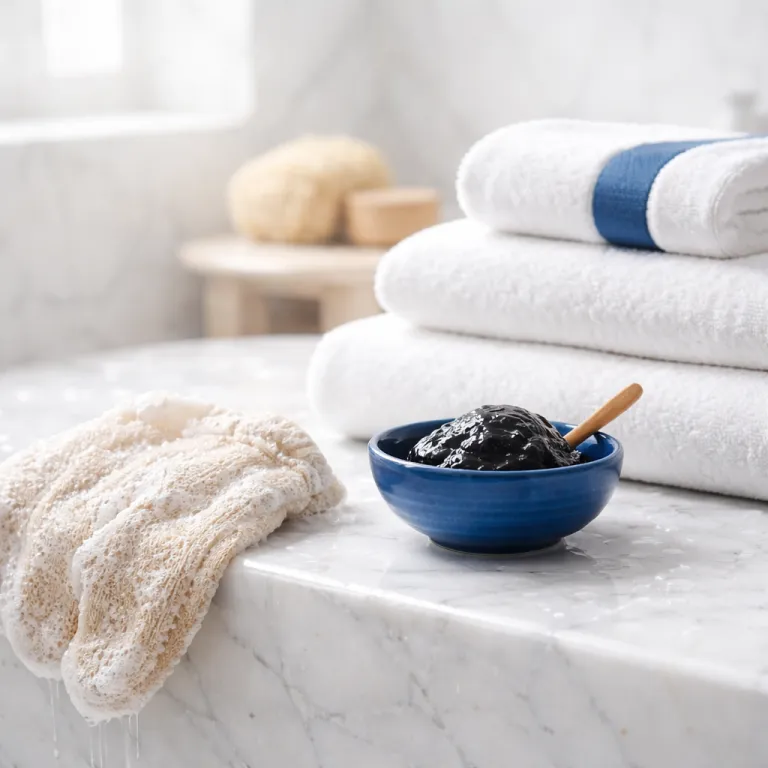
Family hammam etiquette in Morocco for first time visitors
Family hammam etiquette in Morocco starts long before you enter the steam filled room. You are stepping into a traditional Moroccan bathing ritual where local people treat cleansing as both hygiene and quiet ceremony. Understanding this cultural context will help your children feel calm and curious rather than overwhelmed.
Public hammams in Morocco are everyday neighborhood bathhouses, not curated spa hammams, and they follow clear unwritten rules that families should respect. These traditional hammams are gender segregated, so mothers go with daughters and fathers go with sons, and children usually accompany the same gender parent until roughly primary school age. Hotel spa hammam facilities in Marrakech or Fes sometimes allow mixed family sessions, but those are private bookings that sit outside normal Moroccan bathing culture.
Before you go, explain to your children that a Moroccan hammam is about slow bathing, not quick showers. Tell them there will be hot water in large basins, echoing tiled rooms and a lot of steam, which can feel intense at first. Reassure them that the process is gentle when you control the pace, and that any attendant will adapt the hammam experience if you clearly state what your family wants.
Most public hammams Morocco wide are simple, functional and affordable, with typical entry fees often between 20 and 40 MAD per person depending on the city and facilities. Families bring their own black soap, kessa mitt, towels and flip flops, because Moroccan hammams focus on the space and the water rather than amenities. Luxury hotel spa hammams provide everything, from Moroccan black soap infused with olive oil to mint tea in a quiet relaxation room after the bathing ritual.
Think of the traditional hammam as a cultural classroom for your children, where Moroccan culture appears in small gestures. Local people chat softly, share buckets of hot water and follow a familiar process of warming, soaping, scrubbing and rinsing. When your family mirrors this rhythm, you show respect for the traditional Moroccan way of bathing and your hosts will usually respond with warmth.
Public hammam versus hotel spa hammam with children
Choosing between a public hammam and a hotel spa hammam in Morocco will shape your family’s entire experience. Public hammams Morocco wide are authentic, steamy and social, while luxury spa hammams in hotels feel curated, private and carefully temperature controlled. Both options can work beautifully for families, but the etiquette and expectations differ in important ways.
In a traditional hammam Morocco setting, you enter a sequence of heated rooms, each warmer than the last, carrying your own buckets of hot water. Local people sit on the floor, chatting quietly as they apply black soap and rinse away dead skin with plastic bowls, and the atmosphere is communal but modest. Children usually find the echoing tiles, the steam and the sight of vigorous scrubbing fascinating, though the intensity of the exfoliation process can surprise them.
Hotel spa hammam facilities in Marrakech, Fes or Casablanca translate this traditional hammam ritual into a more controlled spa environment. Properties such as Royal Mansour, La Mamounia or Selman in Marrakech offer private Moroccan hammam suites where an attendant will manage the temperature, the water flow and the timing of each step. These spa hammams often allow private family bookings, so parents and children can share the room together without navigating gender segregation rules.
Public bains Marrakech style, sometimes called les bains by locals, are usually separated into male and female sections or time slots. The traditional hammams here rarely provide written guidance, so families must observe quietly, copy the local rhythm and keep voices low to respect the shared space. In contrast, luxury spa hammams provide clear explanations in English, soft lighting, and a calm attendant who guides your family through each stage of the hammam experience.
If your children are sensitive to heat or noise, start with a hotel spa hammam before trying the more intense public version. You can then use a detailed guide to luxury spa hotels in Morocco as a reference point for choosing properties with strong wellness programs, such as the ones highlighted in this immersive overview of luxury spa hotels in Morocco. Once your family understands the process in a calm setting, stepping into a traditional Moroccan hammam with local people becomes far less intimidating.
Age by age guide to family hammam etiquette
Family hammam etiquette in Morocco shifts subtly as your children grow, and age really matters. A four year old will experience the steam, the water and the scrubbing very differently from a twelve year old, so you should adapt both the setting and the expectations. Thinking in age bands helps you choose between public hammams and private spa hammams for each stage.
For toddlers and children up to around four, a private spa hammam in a luxury hotel is usually the most comfortable option. The room is quieter, the hot water temperature can be adjusted, and you can shorten the bathing process if your child feels overwhelmed by the steam. At this age, skip any intense kessa glove exfoliation and focus instead on gentle washing with Moroccan black soap diluted in warm water.
Between five and eight, many families feel ready to try a traditional hammam with their children, especially in family friendly neighborhoods of Marrakech or Fes. In public hammams, children accompany the same gender parent, so mothers bring daughters and fathers bring sons into the appropriate les bains section. Keep the hammam experience short, choose a corner away from the hottest room and explain that the attendant will only scrub if you clearly request it.
From nine to twelve, children often become curious about the full traditional hammam ritual, including the vigorous removal of dead skin. At this stage, you can book a Moroccan hammam treatment in a hotel spa hammam and ask the attendant to demonstrate the process gently first, then increase pressure only if your child feels comfortable. Many properties in Marrakech, such as Selman or some riad based spa hammams, offer family slots where the attendant will adapt the intensity for each age.
Teenagers usually handle both public hammams and hotel spa hammams well, provided you brief them on modesty and Moroccan culture beforehand. This is the age to explain why local people value the traditional Moroccan bathing ritual as weekly reset, combining hygiene, relaxation and social connection. For value conscious families with teens, premium hotel deals in Morocco that include spa credits can make private hammam sessions more accessible, and you can often find these offers through curated platforms presenting exceptional value on premium hotel stays.
Three essential rules to avoid awkward moments
There are three simple rules that will keep your family hammam experience in Morocco smooth and respectful. First, match the level of modesty you see around you, because Moroccan culture values discretion in bathing spaces. Second, manage expectations about the intensity of scrubbing, especially for children, since the removal of dead skin can feel surprisingly strong.
Rule one is about clothing and body language in both public hammams and hotel spa hammams. In traditional hammams, most local people wear underwear or simple swimwear, and nudity is not required, so your family can follow the same approach. Move calmly, keep voices low and avoid pointing or staring, because the room is a shared space where everyone seeks both cleanliness and quiet.
Rule two concerns communication with the hammam attendants, who are central to the Moroccan hammam ritual. In public bains Marrakech style, the attendant will usually offer scrubbing services with a kessa glove, but you must clearly state if you want this for yourself or your children. In hotel spa hammams, explain any sensitivities, ask the attendant to show the pressure on your arm first and confirm that they will avoid delicate skin areas for younger guests.
Rule three focuses on preparation and timing, which can make or break the hammam experience for families. Bring your own black soap, kessa mitt, towels and flip flops for public hammams, because these traditional hammams rarely provide toiletries, and packing this basic kit remains the most practical advice. Aim for quieter times, such as mid afternoon on weekdays, when the hot water rooms are less crowded and your children can move more freely without disturbing others.
Following these three rules helps your family align with Moroccan culture while still enjoying the sensory pleasure of the hammam. You avoid awkward moments, from clothing misunderstandings to overly vigorous scrubs, and you show respect for the traditional Moroccan bathing process. That respect is usually reciprocated with smiles, helpful guidance and, in many cases, a shared glass of mint tea after the steam.
Where to book private family hammam sessions in Marrakech and Fes
For families who want privacy and control, certain luxury hotels in Morocco offer excellent private hammam options. Marrakech leads the way, with palace style properties and refined riads integrating Moroccan hammams into their spa architecture. Fes follows with more intimate spa hammam spaces that echo the city’s scholarly calm rather than the medina’s bustle.
In Marrakech, Royal Mansour, La Mamounia and Selman all feature spa hammams where an attendant will guide your family through a tailored hammam experience. These properties usually provide private suites with heated marble benches, basins of hot water, Moroccan black soap infused with olive oil and quiet relaxation rooms for mint tea afterwards. You can request family slots, specify the age of your children and ask the spa équipe to soften the exfoliation for younger skin.
Smaller luxury riads in the Marrakech medina often include compact traditional hammams that can be reserved for exclusive family use. While these spaces may not match the scale of palace spa hammams, they offer a more local feel, with tiled rooms, simple les bains style basins and a closer connection to everyday Moroccan culture. Always confirm in advance whether the traditional hammam can be booked for mixed gender family sessions, as some properties still follow gender separation even in private slots.
In Fes, high end hotels near the medina gates and restored riad palaces in the old city provide refined Moroccan hammam experiences. Many of these spa hammams draw on traditional hammams Morocco wide, using black soap, kessa gloves and buckets of hot water, but they add structured treatment menus and clear guidance in English. Families who value quiet over spectacle often prefer Fes, where the hammam rooms feel contemplative and the pace of the bathing process is slower.
When comparing options, look beyond the design and focus on how each property handles family etiquette. Ask whether the attendant will adapt the ritual for children, whether the room can be cooled slightly and whether mint tea is served afterwards in a calm space where kids can rest. For families combining city stays with desert escapes, pairing a Marrakech spa hammam with a silent night under the stars at a luxury Sahara camp, such as those described in this immersive Erg Chigaga camp guide, creates a powerful contrast between steam and sand.
Inside the traditional Moroccan hammam ritual, step by step
Understanding the step by step ritual of a traditional Moroccan hammam will help your family move confidently through the space. The process usually follows a clear timeline of preparation, bathing, scrubbing and rinsing, whether you are in a public hammam or a hotel spa hammam. Once your children know what comes next, the steam filled rooms feel less mysterious and more like a structured wellness game.
You begin in the coolest room, where your body adjusts to the humidity and you set down your bucket, soap and towels. Families in public hammams fill buckets with hot water from central taps, then mix in cooler water to reach a comfortable temperature for children’s skin. In hotel spa hammams, the attendant will manage the water for you, often using copper bowls to pour warm water gently over each family member.
The next stage is soaping, where Moroccan black soap made from olive oil is smoothed over damp skin and left to sit for several minutes. This traditional Moroccan product softens dead skin and prepares the body for exfoliation, and children often enjoy the slippery texture and the subtle scent. In some bains Marrakech style hammams, local people bring their own preferred soap brands, while hotel spa hammams usually provide house blends inspired by Moroccan culture.
Scrubbing follows, using a rough kessa glove to lift away softened dead skin in satisfying rolls. In public hammams, you can scrub each other or pay a hammam attendant to perform the treatment, while in hotels the attendant will usually handle the exfoliation unless you request otherwise. For children, ask for a lighter touch, limit the time and keep the focus on the novelty of the hammam experience rather than on achieving perfectly polished skin.
The ritual ends with thorough rinsing in cooler water, a final rest in the warm room and, ideally, a quiet moment with mint tea afterwards. Many families like to bring a simple body oil or lotion to apply after the hammam, and Moroccan products based on olive oil work especially well on freshly cleansed skin. When you frame the entire process as both cultural immersion and shared family wellness time, the hammam Morocco tradition becomes a highlight of your trip rather than a confusing side note.
Key figures and practical statistics for family hammams in Morocco
- Typical entry fees for public hammams in Morocco often range from 20 to 40 MAD per person, which makes a traditional hammam experience one of the most affordable wellness rituals for families compared with hotel spa pricing.
- Traditional hammams in major cities such as Marrakech, Fes and Casablanca operate year round, with the bathing ritual following a consistent sequence of preparation, bathing, scrubbing and rinsing regardless of season.
- Most public hammams in Morocco are gender segregated, either by separate buildings or by time slots, which means families must plan for mothers with daughters and fathers with sons when visiting with children.
- Core tools used in both public hammams and hotel spa hammams include black soap, a kessa mitt and plastic or metal buckets, and these simple items have remained central to the Moroccan hammam ritual despite modern spa innovations.
- Tourist participation in Moroccan hammams has increased steadily over recent years, encouraging many hotels to integrate spa hammams into their wellness offerings while still partnering with local hammams to preserve cultural authenticity.
FAQ about family hammam etiquette in Morocco
What should my family bring to a public hammam in Morocco ?
For a public hammam, each family member should bring black soap, a kessa mitt, a towel, flip flops and modest swimwear or underwear. Many local people also bring a small plastic mat to sit on and a simple body oil for after the bathing ritual. If you forget something, some traditional hammams sell basic soap and mitts at the entrance, but quality varies.
Is nudity required in Moroccan hammams for adults or children ?
Nudity is not required in Moroccan hammams, whether public or hotel based. In traditional hammams, most local people wear underwear or simple swimwear, and families can follow the same standard without attracting attention. Luxury spa hammams in hotels may provide disposable underwear, but you can always request to keep your own swimwear for comfort.
Are hammams in Morocco suitable for young children ?
Hammams in Morocco can be suitable for young children if you choose the right setting and control the heat. Private hotel spa hammams are usually better for very young children, because the attendant can lower the temperature and shorten the session. In public hammams, wait until your child is comfortable with steam and crowds, and always stay in the cooler rooms.
How intense is the exfoliation in a traditional Moroccan hammam ?
The exfoliation in a traditional Moroccan hammam can feel quite intense, especially during the first visit. Hammam attendants use a rough kessa glove to remove dead skin, and the sensation can surprise both adults and children. You can always ask for lighter pressure, skip certain body areas or decline the scrub entirely if your family prefers a gentler experience.
Are hammams in Morocco mixed gender for families ?
Public hammams in Morocco are almost always gender segregated, either by separate buildings or by different time slots for men and women. Children usually accompany the same gender parent until around early primary school, after which families should respect local norms more strictly. Some luxury hotels offer private family hammam sessions where parents and children can share the same room, but these are exceptions arranged through the spa.