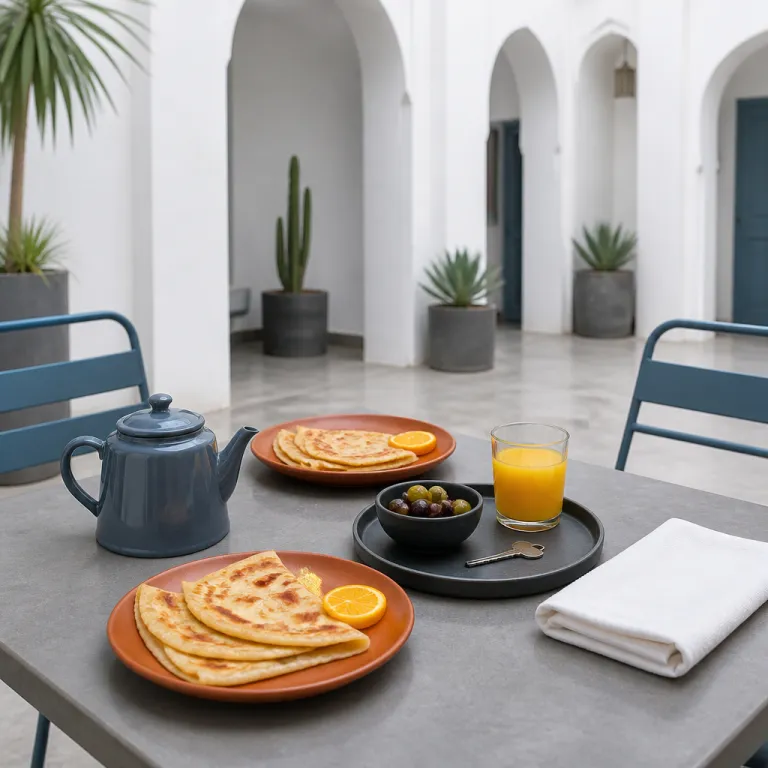
The first tray: why a moroccan riad breakfast is your real room inspection
The most revealing moment in any luxury riad in Morocco happens long before you see the spa menu or the rooftop pool. When the first tray of moroccan breakfast foods lands on your table, you are quietly inspecting sourcing, training and values in a single glance. In a city like Marrakech, where options feel endless, the way you eat breakfast tells you more about a property than any marble lobby ever could.
Look closely at the moroccan bread and the supporting cast of small dishes that arrive with it. A serious kitchen will send out still warm moroccan bread rounds, with a faint crackle at the edge and a soft interior ready to welcome olive oil, honey or salted butter. If the bread olive pairing tastes flat or the slices feel dry, you are probably looking at a hotel that treats breakfast morocco style as an obligation rather than a signature ritual.
On a well run terrace, moroccan breakfasts start with a quiet choreography between Riad staff and guests. Trays arrive with baghrir, those traditional moroccan “thousand hole” pancakes, alongside msemen, harcha and sometimes regional breads that reflect how moroccans eat at home. When you find fresh fruit, local cheese, small bowls of honey olives and a jug of hand pressed orange juice, you are seeing the same attention to detail that will shape your entire stay.
In the best addresses in Marrakech and across Morocco, the moroccan riad breakfast is not outsourced to a generic supplier. Instead, Riad staff work with local suppliers, choosing olive oil from a specific valley, honey from a trusted beekeeper and seasonal produce that keeps the food offering alive. That is why guest reviews often give an average breakfast rating close to perfect, because the morning table becomes the clearest expression of the house’s hospitality.
Even the timing of breakfast service tells you something about the property’s priorities. When a riad invites you to eat breakfast between 8:00 and 10:00, and still offers flexibility for early flights or late sleepers, it signals a team that understands real travel rhythms. Arrive early to enjoy the full experience, and you will see how calmly the staff move when they are not rushing to catch up.
Anatomy of an exceptional moroccan breakfast table
A truly memorable moroccan riad breakfast feels abundant yet precise, with every plate earning its place on the table. Start with the starches, because they anchor how you eat breakfast and reveal the kitchen’s technical skill. Freshly griddled msemen should be flaky and elastic, while baghrir must be light, spongy and ready to soak up honey butter without collapsing.
Alongside these, look for harcha, the golden semolina bread that should crumble delicately rather than sit heavy on the plate. When a riad serves several moroccan breakfasts in succession, the harcha should remain consistent in taste and texture, a sign that the cook has been making the same recipe for years. Add in moroccan bread loaves, perhaps with a hint of anise or barley, and you begin to read the property’s respect for traditional moroccan baking.
The spreads tell an equally important story about moroccan food culture and sourcing. A small bowl of amlou, that luxurious blend of argan oil, almonds and honey, should taste of nuts first, not of cheap oil or sugar, and the same goes for any olive oil on the table. When you dip bread into olive oil and then into cheese honey combinations, you should taste layers of flavor that speak of specific producers rather than anonymous bulk suppliers.
Pay attention to how the riad handles sweetness at breakfast morocco style. Honey should be floral and complex, not syrupy, and it often comes from a named region, while jams might be made in house from seasonal fruit. When moroccans eat at home, they balance honey, butter and cheese with olives and fresh produce, and a thoughtful riad will mirror that balance instead of pushing only sugar and white bread.
Drinks complete the picture, and this is where many luxury properties quietly fail. A great moroccan breakfast always includes mint tea brewed properly, with moroccan mint leaves steeped just long enough, and tea coffee options that respect both espresso lovers and those who prefer a gentler cup. If the orange juice is clearly fresh squeezed and the coffee arrives hot, you are probably in a house that will also care about where you dine later, the kind of place we highlight when we map out where Morocco’s most ambitious chefs are actually cooking on our dedicated dining guide.
Tea, coffee and the quiet power of the morning pour
In a moroccan riad breakfast, the way liquids move often matters more than the food itself. Watch how the Riad staff handle the teapot, the coffee carafe and the jug of orange juice, because these gestures reveal training, pride and an understanding of ritual. When mint tea is poured from a height into small glasses, forming a light foam, you are witnessing a performance that moroccans eat and drink around every day.
Mint tea, or moroccan mint tea as many guests call it, should arrive piping hot with visible sprigs of mint, not as a lukewarm afterthought. The balance between green tea, sugar and moroccan mint leaves is delicate, and a property that gets it right at breakfast will usually handle more complex service moments with similar care. Some riads even brew the tea tableside, letting you smell the fresh leaves before they meet the water, a small but telling luxury gesture.
Coffee deserves equal scrutiny, especially in premium hotels that claim international standards. You should be able to order both strong espresso and longer tea coffee combinations, and the beans should taste fresh rather than stale or over roasted. When several breakfasts are served at once, the last cup of coffee should be as hot and aromatic as the first, showing that the kitchen treats breakfast foods with the same respect as any evening service.
Juice is another quiet benchmark that separates marketing from reality in Marrakech and beyond. Hand pressed orange juice, slightly pulpy and served in chilled glasses, signals a commitment to fresh ingredients that will likely extend to the rest of the moroccan food offering. If you find pre packaged juice on the buffet instead, you can safely assume that other shortcuts are being taken behind the scenes.
For couples traveling together, the morning drinks ritual often sets the emotional tone of the day. Sharing moroccan breakfasts on a rooftop while the call to prayer fades and the city wakes up can feel as intimate as any candlelit dinner, especially for solo travelers who later seek out rooftops where a single seat is welcome, like those we profile in our guide to solo dining in Marrakech. When the first sip of mint tea or coffee feels considered, you know you are in a house that understands hospitality as a sequence, not a series of isolated gestures.
From honey to olive oil: reading sourcing and ethics on the plate
The condiments on your moroccan riad breakfast table are more than decoration, they are a map of the property’s relationships with its surroundings. Honey, olive oil, cheese and olives each carry stories about local producers, supply chains and how seriously the hotel takes its role in the community. When you taste honey that has depth and character, you are often tasting years of collaboration between the riad and a specific beekeeper.
Olive oil is one of the clearest indicators of quality in breakfast morocco experiences. A good house will pour extra virgin olive oil with a peppery finish, inviting you to dip moroccan bread or msemen into it before adding a touch of salt. When bread olive combinations taste rich and nuanced, you can assume that the same care will appear in the hotel’s wider moroccan food program, from poolside snacks to private dinners.
Cheese and olives deserve the same attention, especially in smaller riads that pride themselves on authenticity. A plate that includes both soft fresh cheese and firmer aged varieties, perhaps paired with cheese honey drizzles, shows that someone has thought about how moroccans eat at home. Honey olives, marinated with herbs and citrus, can turn a simple breakfast into a tasting of the region’s pantry.
Butter is often overlooked, yet it quietly signals how far a property will go to elevate everyday breakfast foods. When you spread butter that tastes clean and creamy, or honey butter that blends sweetness and fat without greasiness, you are tasting a kitchen that respects ingredients as much as technique. In contrast, generic industrial butter on the table of a five star resort can undermine an otherwise polished setting.
Ethical sourcing also extends to how the property handles dietary needs and wellness preferences. Many high end riads now offer vegan options, gluten free moroccan bread alternatives and lighter breakfast foods without sacrificing the delicious moroccan flavors that guests expect. If you care about wellness rituals, you might pair a lighter plate with a later visit to a traditional hammam, and our guide to hammam etiquette in Morocco explains what to expect and what to avoid so that your morning and afternoon rituals align.
How to choose and book a riad when breakfast is your priority
When you are scanning options on a luxury hotel booking website for Morocco, use the moroccan riad breakfast as your primary filter rather than the pool photos. Read guest reviews with a focus on how people describe the breakfasts, paying attention to mentions of baghrir, moroccan bread, mint tea and fresh orange juice. Phrases like “made to order” and “every morning felt different” usually indicate a kitchen that cooks rather than reheats.
Look for properties in Marrakech and other cities that highlight their morning food rituals in detail, not just as a line item. A riad that explains where its olive oil comes from, how often it bakes bread and whether moroccans eat alongside guests at the same table is usually proud of its standards. When you find this level of transparency, you can expect moroccan breakfasts that feel both traditional and tailored to your preferences.
Before you confirm a booking, write directly to the property with specific questions about breakfast foods and timing. Ask whether they can serve moroccan breakfast early for an excursion, whether they offer both tea coffee service and espresso drinks, and how they handle dietary restrictions. The most attentive Riad staff will respond with concrete details, perhaps even suggesting that you inform staff of dietary restrictions in advance so they can plan properly.
On arrival, treat your first breakfast as a final quality check before the rest of your stay unfolds. Notice whether the bread is fresh, whether the coffee arrives promptly and whether the staff remember how you like your mint tea after the first morning. If the moroccan food on the table feels thoughtful and the team moves with quiet confidence, you have probably chosen well.
For couples planning a romantic escape, consider booking smaller riads where the same cook prepares breakfasts every day, often using traditional moroccan recipes passed down through families. These houses may not offer vast buffets, but they excel in consistency, warmth and the kind of delicious moroccan details that make you linger over a second cup of tea. In the end, “What is typically included in a riad breakfast? Fresh bread, msemen, baghrir, jams, honey, fruits, mint tea.” and that simple list, executed with care, tells you almost everything you need to know about the hotel before check in ends.
FAQ
What is usually served at a traditional moroccan riad breakfast ?
A traditional moroccan riad breakfast usually includes several types of bread, such as msemen, baghrir, harcha and classic moroccan bread. You will often find honey, jams, olive oil, butter, olives, local cheese and seasonal fruit on the table. Drinks typically include mint tea, coffee and freshly squeezed orange juice.
Is breakfast normally included in the room rate in Morocco ?
In most luxury and premium riads in Morocco, breakfast is included in the room rate. Some international style hotels may offer different packages, so it is wise to confirm at the time of booking. When in doubt, ask the property directly how they structure their breakfast offering and whether there are any supplements.
Can riads accommodate dietary restrictions at breakfast ?
Many high end riads can adapt the moroccan riad breakfast to vegetarian, vegan, gluten free or dairy free needs. The key is to inform staff of dietary restrictions before arrival so the kitchen can plan alternatives without compromising quality. Expect simple adjustments such as plant based milks, gluten free bread and extra fruit or vegetable dishes.
What time is breakfast usually served in Marrakech riads ?
Most riads in Marrakech serve breakfast in the morning window between about 8:00 and 10:00. Some properties will start earlier for guests heading to the desert or the Atlas Mountains, and others will extend service for late rising couples. If timing matters to you, confirm the exact breakfast hours when you book.
How can I tell if a riad takes its breakfast seriously before I book ?
Read recent guest reviews and look for detailed comments about the moroccan breakfasts, not just generic praise. Properties that mention fresh bread, made to order pancakes, real mint tea and local products usually treat breakfast as a core part of the experience. You can also email the riad with specific questions about their breakfast foods and see how precisely they respond.