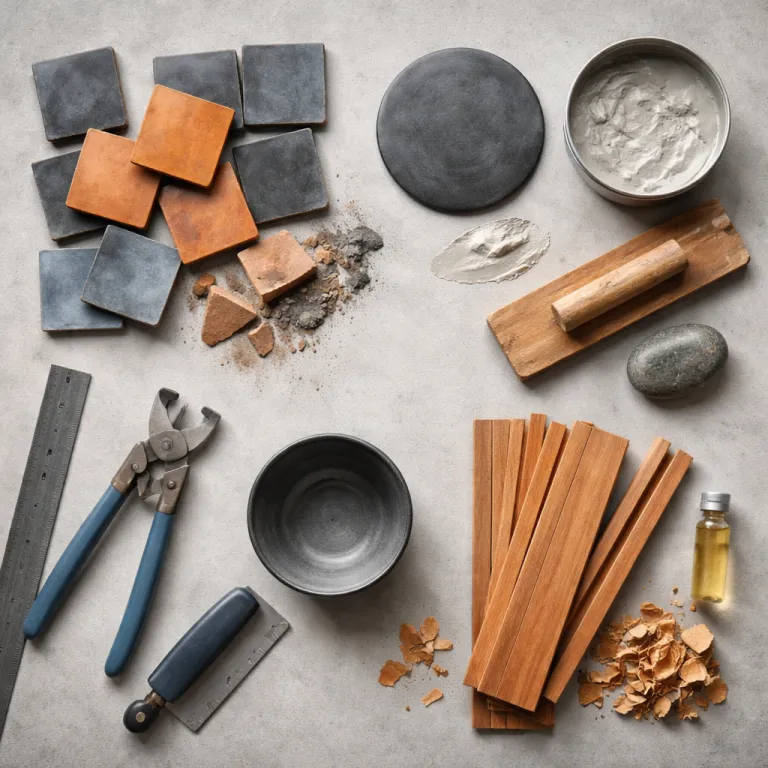
Reading riad architecture details like a sommelier reads a wine list
Step into a serious riad in Morocco and the first impression should be quiet, almost cool. Then the riad architecture details begin to speak, through the way the central courtyard holds natural light and the way sound softens against lime washed walls. In the best Moroccan riads, every surface in the courtyard and the surrounding rooms tells a story about cultural heritage, not about quick decoration.
For couples choosing between riads in Marrakech or elsewhere in North Africa, learning to read these architectural cues changes the entire experience. You stop judging a Moroccan riad by the rooftop pool or the number of private spaces, and you start looking at the architecture itself, from the zellige tiles under your feet to the carved cedarwood above your head. This is where traditional Moroccan craft separates a true riad Morocco property from the many riads Morocco has that are charming but ultimately cosmetic.
At the heart of authentic riad design is the idea of an inward facing home built around a protected courtyard. This central courtyard, often with an interior garden or a small riad garden, is not just decorative but a climatic device that cools the surrounding rooms naturally. The best riads marrakech and riads morocco wide still follow this traditional layout, blending Islamic architecture principles with Moroccan design to create calm, shaded spaces in the middle of the medina.
Zellige tiles: how to tell hand cut craft from machine made pattern
Zellige tiles are the first test of seriousness when you enter a riad in Marrakech or Fes. Look closely at the geometric patterns along the courtyard walls or floors and you should see tiny irregularities, where each hand cut piece of terracotta has been shaped by a Zellige Artisan rather than a machine. That slight variation in size and glaze is the visual equivalent of a complex wine aroma, signalling depth and time.
Machine cut tiles in many tourist trap riads morocco wide look too perfect, with identical edges and flat, uniform colour. In contrast, authentic zellige in traditional Moroccan riads catches natural light differently across each facet, so the same riad garden or interior garden shifts tone from morning to evening. When you are staying riad for a romantic trip, this play of light across Moroccan zellige becomes part of the daily experience, especially in the central courtyard where the design is most concentrated.
True riad architecture uses zellige tiles structurally, not just as surface decoration. You will see them framing a fountain in the courtyard, climbing the lower walls of the rooms, or forming complex borders that echo Islamic architecture and Arabic calligraphy. In the most refined riad design, zellige patterns are carefully scaled to the spaces, with smaller motifs in intimate private rooms and bolder, larger geometric patterns in shared art filled halls.
Tadelakt: the skin of the walls and the tactile test you should use
If zellige is the jewellery of a Moroccan riad, tadelakt is its skin. This traditional lime plaster, burnished with stones and finished with black soap, was originally developed for hammams and fountains, so it is naturally waterproof and softly reflective. In serious riads in Morocco, tadelakt wraps the walls of the courtyard, the stairwells and often the bathrooms, creating continuous, sensual surfaces.
The tactile test is simple and you can try it discreetly while staying riad for a night or two. Run the back of your fingers lightly along the wall ; real tadelakt feels warm, almost waxy, with a subtle undulation, while standard pigmented plaster feels colder and more granular, with a flatter, more mechanical finish. In high quality riads marrakech wide, you will notice how tadelakt curves around niches, arches and doorways, echoing Islamic architecture forms and softening the transition between spaces.
Colour is another clue when you assess riad architecture details through its plaster. Traditional tadelakt in Moroccan riads tends toward mineral tones that sit quietly with natural light, from soft sand to deep terracotta, rather than synthetic brights. When these walls meet zellige tiles at the base, the junction should feel seamless, as if the architecture and interior design are one continuous gesture rather than separate decorative layers.
Cedarwood: ceilings, mashrabiya and the lineage of serious craft
Look up in any great riad Morocco property and cedarwood will tell you how serious the owners are about craft. Atlas cedar, often carved in Fes and transported to Marrakech, is used for coffered ceilings, doors and delicate mashrabiya screens that filter natural light into private rooms. In the most refined riad design, this woodwork is not just decorative art but a structural rhythm that guides how you move through the spaces.
Hand carved cedar in traditional Moroccan architecture carries a depth that machine milled panels cannot imitate. You will see tiny tool marks, layered Arabic inspired motifs and geometric patterns that echo the zellige tiles below, creating a dialogue between floor and ceiling in the courtyard and the surrounding galleries. When you compare riads in Morocco, notice whether the cedar ceilings feel dense and aromatic or thin and generic ; the former usually signals investment in Cedarwood Carvers and long term cultural heritage.
Serious Moroccan riads also use cedar for doors that close with a satisfying weight, and for latticework that protects private balconies around the central courtyard. These elements are part of a broader Islamic architecture language, where carved wood screens manage views between public and private spaces. In the best riad gardens and interior garden loggias, cedar beams frame the sky while still creating shade, so couples can sit close to the medina yet feel entirely enclosed.
Where zellige, tadelakt and cedarwood align: three benchmark properties
Across Marrakech, the medina hides hundreds of riads, yet only a fraction meet the highest standards of craft. Local tourism data suggests there are around 800 traditional riads in Marrakech, with roughly three quarters still using traditional materials, but the quality of execution varies widely. For couples booking through a luxury focused platform, it helps to know a few properties where zellige tiles, tadelakt and cedarwood are unimpeachable benchmarks.
In the historic medina of Marrakech, look for addresses where the central courtyard is proportioned like a calm outdoor room, with an interior garden and a small riad garden framed by hand cut zellige and real tadelakt. In these riads marrakech wide, the rooms around the courtyard often feature cedar ceilings from Fes, carved with Islamic and Arabic motifs that align with the floor patterns below. When all three materials are handled by Zellige Artisans, Tadelakt Specialists and Cedarwood Carvers, the result is a coherent architectural experience rather than a themed décor.
Fes, with its deep craft lineage, offers Moroccan riads where Islamic architecture and traditional Moroccan design are preserved almost museum like, yet still feel intimate for a romantic stay. Here, staying riad means sleeping beneath cedar ceilings that have darkened over time, walking across zellige that has been polished by generations and touching tadelakt walls that still carry the hand of the artisan. These properties show how riad architecture details can sustain cultural heritage while integrating discreet modern comforts in the rooms and private spaces.
How to use riad architecture details when booking your stay
When you scroll through riads Morocco wide on a booking site, train your eye to read the images like an architecture critic. Zoom in on the courtyard floors and walls to check whether the zellige tiles show slight irregularities, and whether the tadelakt surfaces have that soft, continuous sheen rather than a flat painted look. Authentic riad architecture will also reveal itself in the way natural light moves through the central courtyard and into the surrounding rooms.
Pay attention to ceilings and doors in the photos, because cedarwood is often where cost cutting appears first in tourist trap properties. In serious Moroccan riad addresses, you will see carved beams, patterned panels and mashrabiya screens that create layered spaces between the medina and your private retreat. These details are not just visual ; they affect acoustics, privacy and the overall experience of staying riad as a couple seeking calm after the intensity of Marrakech.
Finally, read descriptions for mentions of traditional Moroccan materials and local artisans, and do not hesitate to ask the property about their use of zellige, tadelakt and cedar. Authentic riad design in North Africa is always rooted in collaboration with craftspeople, blending Islamic architecture principles with contemporary interior design in a way that respects cultural heritage. When all three materials are present and well handled, you can be confident that the riad gardens, interior garden and private rooms will feel like a coherent, crafted world rather than a themed backdrop.
FAQ
What is zellige and why does it matter in a riad ?
Zellige is intricate geometric mosaic tilework characteristic of Moroccan architecture. In a riad, hand cut zellige tiles signal investment in skilled Zellige Artisans and respect for traditional Moroccan design. They also influence how natural light plays across the courtyard and rooms, adding depth and texture to the overall architecture.
How is tadelakt applied and how can I recognise it ?
How is tadelakt applied? By hand, using lime plaster polished with stones and sealed with soap. You can recognise real tadelakt in a Moroccan riad by its warm, slightly waxy feel and gentle sheen, especially in bathrooms and around fountains. It usually appears in soft, mineral colours that curve smoothly around arches and niches.
Why is cedarwood used so often in Moroccan riads ?
Why is cedarwood used in riads? For its durability, aromatic properties, and resistance to insects. In riad architecture, Atlas cedar is carved for ceilings, doors and screens, contributing both structural strength and refined Islamic inspired patterns. Its scent and texture also enhance the sensory experience of staying riad for several nights.
How can I tell if a riad is using authentic traditional materials ?
Look for slight irregularities in zellige tiles, a soft, polished feel in tadelakt walls and visible tool marks in carved cedarwood. These signs indicate handcrafting rather than industrial production and usually mean the riad works with local artisans and cultural preservation initiatives. Properties that highlight these materials in their descriptions are more likely to offer an authentic architectural experience.
Does using traditional materials affect comfort in a luxury riad ?
Traditional materials like zellige, tadelakt and cedarwood were developed for comfort in Morocco’s climate, not just for visual effect. Zellige and the central courtyard help regulate temperature, while tadelakt’s waterproof qualities make bathrooms cooler and easier to maintain. When combined with discreet modern amenities, they create luxury spaces that feel both historically grounded and practically comfortable for guests.
Sources
Moroccan Ministry of Culture ; Marrakech Tourism Board ; UNESCO reports on Moroccan architectural heritage.