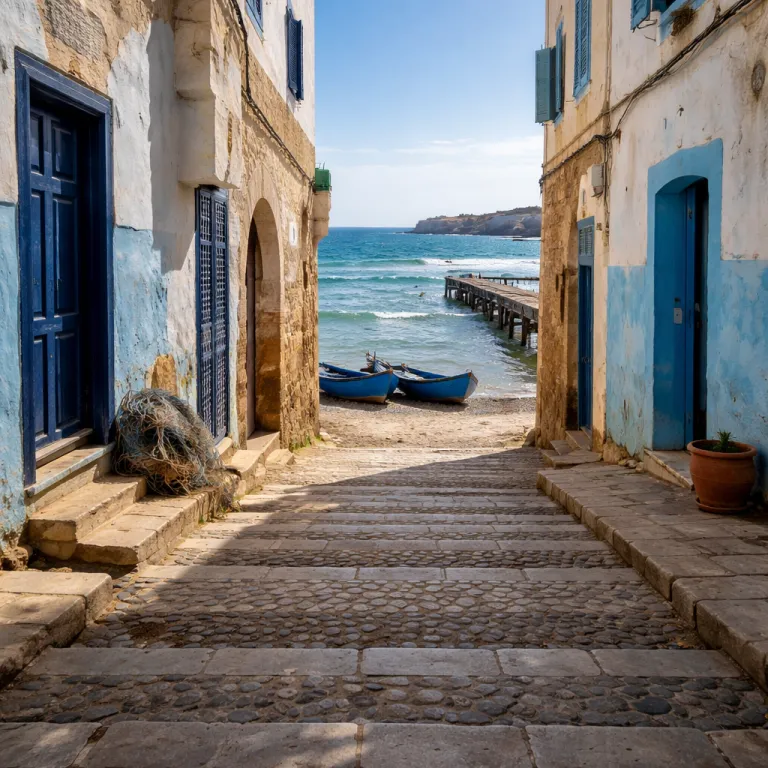
Why responsible travel writing in Morocco must move past the mirage
Responsible travel writing in Morocco starts by admitting how often luxury coverage still leans on fantasy. Most high end travel guides about Morocco travel repeat the same script about timeless medinas, veiled mystery and effortless exotic charm, which flattens a complex country into a stage set for short holidays. If you are choosing a premium hotel in Marrakech or planning a long term stay between the High Atlas mountains and the Sahara desert, you deserve reporting that treats Morocco as a living place rather than a themed backdrop.
Orientalism, defined succinctly as a framework depicting Eastern societies as exotic, backward, and uncivilized
, still shapes how many writers frame their first travel adventure from Spain to Morocco or their connecting flights into Casablanca. That framework seeps into hotel reviews, into how a riad courtyard is described, into which local people are quoted and which are silently photographed, and it also influences how responsible tourism is marketed to high spending guests. When you read about Morocco travel, ask whether the writer is engaging with real cities, real policies and real Moroccans, or simply arranging clichés around a pool.
Academic work from researchers such as Mohamed El Mehdi Jouay and Abdelghani El Mitry, alongside broader postcolonial analyses by scholars like Edward Said in Orientalism (1978), shows how American and European tourism narratives have long treated the country as the Other. Jouay’s readings of francophone travel guides and El Mitry’s analyses of English language features on Marrakech–Sahara journeys reveal how often writers erase context when they describe the Atlas Mountains or a Bedouin camp in the Sahara desert, turning specific histories into vague atmosphere. Responsible travel journalism about Morocco therefore requires you, as a reader and hotel guest, to value specificity over mood and to reward reviews that name sources, policies and impacts.
The five orientalist tropes still haunting luxury hotel coverage
One persistent trope is the timeless medina, where a Moroccan city is framed as frozen in time while the writer quietly enjoys high speed Wi‑Fi in a luxury suite. This erases the reality that Marrakech, Fès and other cities are negotiating rapid tourism growth, rising property prices and debates about sustainable tourism, all of which shape where local people live and work. When a travel guide claims that a quarter in Marrakech has not changed for centuries, you can be sure the writer has not spoken with the café owner paying a very modern rent.
The second trope is the submissive host, where every local guide, driver or riad manager appears only to serve, never to speak as an equal. In responsible travel, your guide in the High Atlas or your driver on a Marrakech–Sahara transfer is a professional with expertise, not a prop in your holiday narrative, and thoughtful tourism writing should quote them by name and role. When reviews of nomadic tours or small group expeditions into the Sahara desert omit the voices of the Moroccan équipe running the logistics, they reinforce an old hierarchy.
A third trope is the empty desert, where the Sahara is described as pure silence and endless dunes, with no mention of water stress, migration or the long term future of nomadic communities. Luxury Bedouin camp experiences near Merzouga or in the wider Sahara are often marketed as untouched, yet they rely on diesel generators, imported food and flights that carry visitors across the country, so any honest account of high end travel in Morocco must connect that comfort to its environmental cost. When a feature on travel in Morocco sells a private camp as if no one else has ever walked those dunes, it quietly erases the Amazigh and Arab histories that shaped the region.
The fourth trope is the chaotic souk, where every sentence about Marrakech or other cities leans on noise, bargaining and sensory overload. This framing turns everyday street food vendors, leather workers and spice sellers into spectacle, instead of professionals operating within a regulated tourism economy that contributes around 7.1 percent of Morocco’s GDP according to World Bank data for 2019 (indicator “Travel and tourism total contribution to GDP, Morocco”). A responsible travel guide will explain how to navigate prices, tipping and working hours respectfully, rather than treating the souk as an arena where the foreign guest must win.
The fifth trope is the mystical Atlas, where the High Atlas mountains become a place for spiritual awakening rather than a region where climate change, road building and mass tourism are reshaping livelihoods. When you read about sunrise yoga above the clouds, ask whether the article also mentions how sustainable tourism initiatives are supporting local schools, waste management or trail maintenance in the Atlas Mountains. Responsible travel writing about Morocco should show how your choice of lodge, from a kasbah above Imlil to a luxury eco property in the wider High Atlas, affects both the landscape and the people who call it home.
From mood to reporting: three moves that change how we write about Morocco
Ethical coverage of Morocco travel begins when writers replace mood with reporting, and that shift matters directly for how you choose a luxury hotel or resort. The first move is radical specificity, which means naming the street, the derb, the mountain pass, the policy and the person, instead of gesturing vaguely toward the Atlas or the desert. When a travel guide tells you exactly which Marrakech neighbourhood a property sits in and how far it is in kilometres from the nearest tram stop or from the High Atlas foothills, you can judge whether it fits your style of responsible travel.
Specificity also means being clear about sustainability claims, especially as more premium hotels in Morocco market themselves as eco friendly. Before you book, look for reporting that explains how a property manages water in a high stress country, how it treats staff, and how it supports local people through training or sourcing, drawing on primary sources such as hotel sustainability reports or local NGO audits where possible. For instance, a riad that publishes an annual environmental impact statement detailing greywater recycling, solar energy use and staff contracts offers more verifiable information than a brochure that simply mentions harmony with the Sahara desert or the mountains.
The second move is dialogue, which means letting Moroccan voices shape the narrative rather than appear as colourful background. When you read reviews that include quotes from a chef explaining why he sources street food ingredients from a particular cooperative, or from a manager describing how flights into Marrakech have changed booking patterns, you gain a more honest picture of tourism. Responsible travel guides should treat every local guide, driver and concierge as a source with knowledge about the city, the country and the long term direction of sustainable tourism.
The third move is attribution, which sounds technical but is simple for you as a reader to spot. When a writer claims that nomadic tours are damaging the dunes or that small group trekking in the High Atlas is the most responsible option, they should name the study, the NGO or the Moroccan ministry behind that assessment. Responsible travel writing on Morocco gains authority when it cites work from institutions such as Université Cadi Ayyad in Marrakech or Mohammed I University, which analyse how tourism reshapes cities and rural regions through peer reviewed articles, policy briefs and conference proceedings.
These three moves also change how we talk about classic itineraries such as Spain to Morocco combinations or Marrakech–Sahara loops. Instead of promising a whirlwind adventure through multiple cities in very little time, responsible travel writers will explain the carbon impact of short flights, the strain on popular riads and the benefits of slowing down in one region. When you choose to visit Morocco with a focus on one area, whether the High Atlas, the Atlantic coast or the Sahara fringe, you give both yourself and the local people more meaningful time to connect.
Photography, consent and the visual language of luxury Morocco
Words are only half the story in luxury tourism, because photography often does the loudest work in shaping how travellers imagine Morocco. Recent critiques of Orientalist tendencies in Moroccan photography by local scholars and journalists show how often images repeat the same frames of anonymous veiled women, empty alleys and solitary camels, which quietly reinforce the idea of a static, mysterious country. Responsible travel writing about Morocco must therefore be paired with responsible photography that treats every subject as a person with agency rather than a symbol.
Consent is the first principle, and it matters whether you are a professional photographer on assignment or a guest taking pictures around your hotel. When you see marketing images of street food vendors, Gnawa musicians or children in the Atlas Mountains, ask whether the captions explain who they are, whether they agreed to be photographed and how those images will be used in tourism campaigns. A responsible travel guide should encourage you to ask permission, to offer to share the photo and to respect a clear no, especially in smaller High Atlas villages or at a Bedouin camp in the Sahara desert.
Framing is the second principle, because how a scene is cropped can either reinforce or challenge Orientalist tropes. A common luxury shot shows a guest alone on a rooftop in Marrakech, gazing over the medina as if the city were a private stage, while the reality is that thousands of local people live and work in those same derbs. Responsible travel narratives about Morocco should be matched by images that show staff, neighbours and the wider urban fabric, making clear that your holiday unfolds within a shared space.
Captions are the third principle, and they carry as much weight as the image itself. When a photo of a nomadic tours camp is labelled simply as “the desert”, it erases the specific region, the tribe, the ownership structure and the environmental pressures on that area, while a more responsible caption might name the exact valley, the cooperative running the camp and the measures taken to reduce waste. Before you book a high end tented suite, look for hotel websites and independent reviews that explain how they manage water, energy and transport for guests arriving from different cities across the country.
Luxury brands increasingly use sustainability as a visual motif, filling their feeds with solar panels, organic gardens and camel silhouettes at sunset. Critical reporting that examines how sustainable luxury in Morocco is sometimes treated as marketing rather than measurable practice helps you separate genuine responsible tourism from surface level imagery. When travel writing about Morocco interrogates both the words and the pictures, you gain the tools to choose hotels whose practices match their aesthetics.
Reading Morocco differently: voices, hotels and routes that respect the country
Changing how we write about Morocco also means changing what we read before we book, and that shift can transform your next stay from a themed escape into a grounded experience. Moroccan led publications such as Le Desk and TelQuel, along with academic work from Université Cadi Ayyad and Mohammed I University, offer context on politics, culture and tourism that rarely appears in glossy holiday features. Responsible travel commentary on Morocco draws on these sources to explain how tourism policy, infrastructure and local debates shape everything from new flights to Marrakech to regulations on short term rentals in historic cities.
When you plan to visit Morocco for business leisure, extend your stay with hotels that engage seriously with sustainable tourism rather than simply repeating the word responsible. Look for properties that publish clear data on energy use, water treatment and staff training, and cross check those claims against independent reviews that mention concrete practices rather than vague impressions. Curated resources that compare where to stay in Marrakech for an unforgettable luxury escape can help you weigh locations, from medina riads to High Atlas retreats, through the lens of both comfort and impact.
Route design is another lever for responsible travel, especially for travellers tempted by fast Spain–Morocco combinations or whirlwind Marrakech–Sahara circuits. Instead of racing between multiple cities in a short time, consider a small group itinerary that spends several nights in one region, allowing you to understand how local people live, how street food culture works and how tourism revenue circulates. Responsible travel writing on Morocco should highlight slower options such as extended stays in the High Atlas, longer pauses in coastal towns or deeper time in one Sahara fringe community, rather than celebrating the sheer number of places visited.
Finally, pay attention to how travel guides and hotel marketing talk about risk, safety and difference. When a feature on travel in Morocco exaggerates danger in the medina while romanticising isolation in the Atlas Mountains, it often reflects old Orientalist fears rather than current realities on the ground. A more balanced travel guide will explain practical safety tips, cultural norms and legal frameworks, treating Morocco as a modern country with specific laws and infrastructures rather than as an abstract adventure zone.
As a reader and guest, your choices send signals to editors, hoteliers and tourism boards about what kind of coverage you value. When you reward responsible travel writing on Morocco that is precise, sourced and grounded in Moroccan voices, you help shift the industry away from lazy tropes and toward nuanced, respectful storytelling. Over time, that shift can influence which hotels thrive, which regions benefit from tourism and how the Atlas Mountains, the Sahara desert and the country’s cities are represented to the world.
Key figures shaping responsible travel writing and tourism in Morocco
- Tourism contributes around 7.1 percent of Morocco’s Gross Domestic Product, according to World Bank data for 2019 (notably the travel and tourism total contribution to GDP indicator), which means responsible tourism practices directly affect national economic stability and employment.
- Academic research produced at institutions such as Université Cadi Ayyad and Mohammed I University has created a growing body of literary and photographic critique, integrating postcolonial theory into media analysis and influencing how editors commission Morocco travel features.
- Ethical travel writing and sustainable tourism reporting have both grown significantly over the past decade, mirroring a wider global demand for authentic cultural experiences and more transparent reviews of hotels, tours and destinations.
References and further reading
- World Bank – data on tourism contribution to Morocco’s GDP (notably the 2019 indicator for international tourism receipts and the travel and tourism total contribution to GDP series).
- Visit Morocco – official information on eco friendly, fair and sustainable tourism policies, including national strategies for responsible tourism and regional development plans.
- Le Desk and TelQuel – Moroccan led reporting on culture, politics and tourism, offering context that helps readers interpret luxury travel narratives about Morocco.