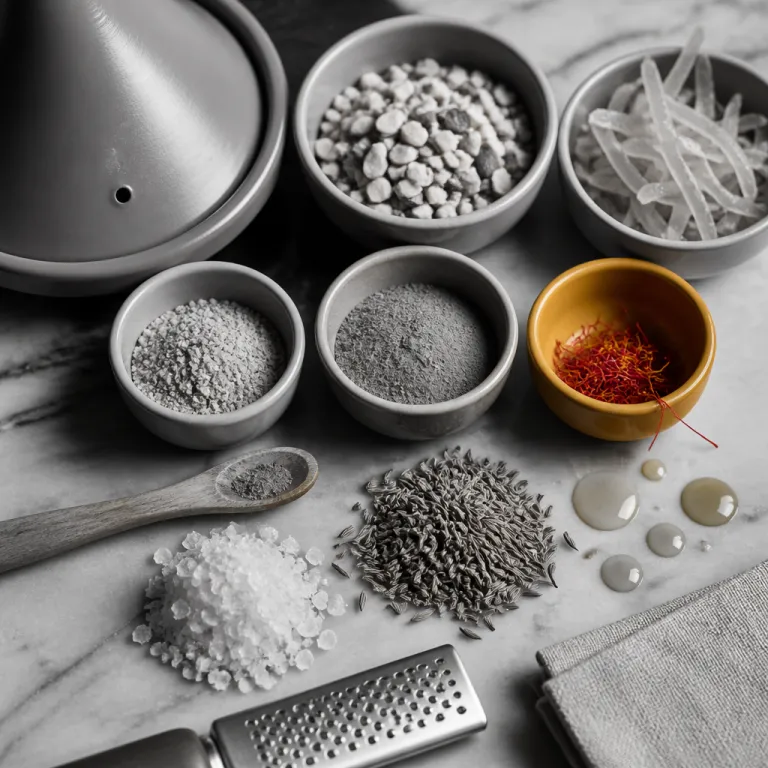
From tourist pastime to serious Moroccan cooking education
Ask for a Moroccan cooking class at a luxury hotel in Marrakech and you will no longer be handed a token tagine demonstration by the pool. Today the best hotel kitchens in Morocco operate more like compact culinary schools, where you learn technique, timing and seasoning with the same care as a professional stage. That shift has turned once casual cooking classes into a core part of the luxury experience, not a rainy day activity.
At Royal Mansour Marrakech, the Moroccan cooking classes are structured as a full culinary program rather than a single session, with a dedicated space, clear learning objectives and a maximum number of guests per group. La Maison Arabe, often referred to simply as Maison Arabe by regulars, pioneered this format in Marrakech and still runs some of the city’s most respected cooking workshops in a purpose-built kitchen. When you book a Moroccan cooking class as part of a luxury hotel stay here, you are signing up for a curriculum that might include a chicken tagine, a traditional couscous and the finer points of a proper tea ceremony with mint tea.
The difference between a serious cooking class and a tourist show is simple: you will cook every element yourself, from chopping herbs to kneading Moroccan bread, instead of watching a chef do the work. Good hotels publish the duration in hours clearly, usually between two and four, and they treat the classes as a central part of their Moroccan cuisine identity. That level of intent is what separates a genuine Moroccan cooking school style experience from a quick photo opportunity with a tagine and a chef’s hat.
Souk to stove: why the market matters as much as the kitchen
The most rewarding Moroccan cooking classes in Marrakech start long before you touch a pan, often in the medina’s covered alleys where your chef leads you through the vegetable and spice souks. Walking behind a hotel chef through the noise of the marché, you learn how to read the glisten on a just-landed fish, how to judge the weight of tomatoes and why certain herbs only appear at specific times of day. This market walk is where a Moroccan cooking class during a luxury hotel stay begins to feel like a private apprenticeship rather than a scripted show.
At Fairmont Royal Palm Marrakech, the team folds a farm visit into some cooking classes, letting guests pick vegetables and herbs from the property’s own gardens before returning to the hotel kitchen. That farm-to-table approach mirrors the philosophy at Farmers in Marrakech, a restaurant highlighted for its commitment to local Moroccan food and seasonal dishes in regional dining guides. When your class Marrakech session starts with soil on your shoes and a basket of produce in your hands, the connection between Moroccan cuisine and landscape becomes tangible.
Solo travelers who care about food often pair these market-focused cooking workshops with thoughtful restaurant choices, using guides to solo dining in Marrakech and the riads and rooftops where a single seat is welcome for their evenings. A well-designed cooking class will also introduce you to ingredients you might order later, from preserved lemons and smen to the cuts of lamb used in traditional Moroccan tagine recipes. By the time you sit down to eat your own dishes, you will understand why certain spices are toasted, why others are added late and how Moroccan food balances sweetness, acidity and smoke.
Inside the kitchen: what you actually learn to cook
Once you step into the tiled kitchen at La Maison Arabe or another serious riad maison, the structure of the Moroccan cooking class becomes clear. A chef instructor and a team of assistants lay out individual workstations, traditional clay tagines and modern induction hobs, then walk you through the menu for the day. The best programs treat you as a capable home cook who will learn new techniques, not as a passive guest waiting for lunch.
Typical Moroccan cooking classes cover more than one dish, often pairing a slow-cooked chicken tagine with preserved lemons and olives alongside a salad of roasted peppers or a warm zaalouk of aubergine. Many hotels rotate menus so that on one day you might tackle pastilla with its delicate layers of pastry and spiced poultry, while another class focuses on rfissa, couscous or the flaky msemen that anchors a traditional Moroccan breakfast. Serious instructors also insist that you learn to cook the accompaniments properly, from kneading Moroccan bread to whisking together the foam for mint tea in a way that would satisfy a Fassi grandmother.
Pay attention to how the hotel frames the Moroccan cuisine curriculum: some call it a cooking school, others position it as a series of cooking workshops or private Moroccan classes for one or two guests. Either way, you should leave with repeatable recipes, clear notes on timing and a sense of how long each step takes in real duration hours at home. For a deeper understanding of how these flavors show up outside the kitchen, it is worth reading about what the riad breakfast ritual reveals about a hotel before check-in ends, then comparing that morning table to what you have cooked.
Where to book: hotels and riads that take cuisine seriously
Not every luxury hotel in Marrakech treats Moroccan cooking as a pillar of its identity, so choosing the right property matters if the kitchen is your main amenity. Royal Mansour Marrakech runs one of the city’s most polished culinary schools, with classes that mirror the precision of La Grande Table Marocaine, its fine dining restaurant that has been recognized among MENA’s 50 Best Restaurants. La Mamounia and Amanjena, while more discreet about their programs, also offer structured cooking classes that go beyond a single tagine and into broader Moroccan cuisine.
La Maison Arabe remains the reference point for many travelers, its Maison Arabe cooking school having trained thousands of guests in the basics of Moroccan food over decades. Dar Rhizlane offers garden-framed classes where you will learn to prepare traditional Moroccan dishes in a more intimate setting, often with a focus on vegetables and herbs. La Sultana Marrakech, with its rooftop cooking classes, adds a sense of theatre as you cook while looking out over the city’s minarets and the Atlas Mountains beyond.
Outside Marrakech, Dar Ziryab in Fès runs Moroccan cooking classes in a riad setting that feels closer to a private maison than a large hotel, ideal for travelers who prefer quieter cities. Across these properties, the pattern is consistent: classes are capped at small numbers, the duration in hours is clearly stated and the emphasis is on hands-on learning rather than demonstration. When comparing options on a platform like mymoroccostay.com, prioritize hotels that mention specific dishes, named chefs and dedicated spaces for cooking workshops, not just a vague promise of a class.
Beyond tagine: how luxury hotels reflect Morocco’s evolving gastronomy
Morocco’s place on the global culinary map has shifted, and luxury hotel kitchens have moved with it. The presence of several Marrakech restaurants on MENA’s 50 Best list, including La Grande Table Marocaine and Le Petit Cornichon, signals that Moroccan cuisine is now part of a wider conversation about fine dining in the region. For travelers, that means a Moroccan cooking class within a luxury hotel stay can serve as both an education in tradition and a window into contemporary technique.
Some hotel programs now weave in elements of fusion, pairing Moroccan food with Italian cuisine techniques or plating styles, while keeping the core flavors anchored in cumin, saffron and preserved lemon. You might braise a lamb shoulder in a tagine, then learn how a chef would adapt that same preparation for a tasting menu, or how a classic chicken tagine can be lightened for a summer lunch. These classes often sit alongside tasting menus at hotel restaurants, allowing you to compare your own dishes with the kitchen’s refined versions in a single day.
For solo travelers planning a longer Morocco itinerary, it can be interesting to alternate intensive cooking classes in Marrakech with other sensory experiences, such as a thalassotherapy retreat on Morocco’s Atlantic coast where salt air replaces the spa menu. That rhythm keeps the Moroccan cooking workshops from feeling repetitive and gives you time to process what you have learned before the next class Marrakech session. Over the course of a trip, you will start to recognize the same flavor structures in street food, palace restaurants and hotel dining rooms, which is the real sign that the education has taken root.
How to choose and book the right Moroccan cooking class
When you are scanning hotel websites or a curated platform for a Moroccan cooking class luxury hotel option, the first filter should be clarity. Serious properties state exactly what you will cook, how many dishes are included, whether the class is private or shared and the duration in hours from market visit to final tea ceremony. Vague promises of “a cooking experience” without mention of specific Moroccan dishes or techniques are a red flag.
Look for language that suggests structure, such as references to a cooking school, a series of cooking workshops or a named chef leading the classes. Hotels like Fairmont Royal Palm Marrakech, Royal Mansour Marrakech and La Maison Arabe describe their Moroccan cooking classes in detail, including whether you will visit the souk, the maximum group size and how dietary restrictions are handled. Remember the practicalities too: book classes in advance, wear comfortable clothing and inform the hotel about any dietary needs so the team can adapt traditional Moroccan recipes without losing their character.
Finally, consider how the class fits into your wider Morocco stay, especially if you are traveling alone and want time for both learning and rest. A morning class followed by a slow afternoon in the hammam or by the pool can be more rewarding than stacking multiple classes in a single day. As one hotel FAQ puts it with useful simplicity, “How long do Moroccan cooking classes usually last? Typically 2 to 4 hours.”
Key figures behind Moroccan cooking classes at luxury hotels
- Multiple luxury hotels in Marrakech now offer structured Moroccan cooking classes, reflecting how deeply culinary experiences are embedded in the city’s high-end hospitality scene (based on industry reporting around Royal Mansour’s culinary school launch and comparable programs).
- Most Moroccan cooking classes at these hotels run for a duration of 2 to 4 hours, which is long enough for guests to prepare multiple dishes without overwhelming first-time cooks (according to standard hotel program descriptions).
- Typical menus in Moroccan cooking classes include tagines, couscous, pastilla and traditional pastries, ensuring that guests engage with both everyday dishes and celebratory recipes from across Morocco.
- Classes are offered year-round in Marrakech, with daily sessions scheduled in the morning and afternoon, allowing travelers to integrate a cooking school style experience into almost any itinerary length.
- The rise of farm-to-table concepts, such as those at Fairmont Royal Palm Marrakech and restaurants like Farmers, has pushed hotels to source more ingredients locally for their cooking workshops, strengthening the link between Moroccan cuisine and regional agriculture.
Frequently asked questions about Moroccan cooking classes at luxury hotels
What dishes will I usually learn to cook in a hotel class?
Most Moroccan cooking classes at luxury hotels focus on emblematic dishes such as chicken tagine with preserved lemons, vegetable couscous, pastilla and a selection of salads or traditional pastries. Many programs also include hands-on preparation of Moroccan bread and mint tea, so you understand the full structure of a Moroccan meal. Menus often rotate by day, so check the schedule if there is a specific dish you want to learn.
Are Moroccan cooking classes suitable for beginners?
Yes, the classes are designed to welcome beginners while still engaging confident home cooks. Chefs demonstrate each step, then guide you as you chop, season and cook your own dishes at an individual workstation. Assistants circulate constantly, so you will learn to cook safely and effectively even if you have never handled a tagine before.
How long does a typical Moroccan cooking class at a luxury hotel last?
Most hotel-based cooking classes in Marrakech and other cities run for a duration of 2 to 4 hours. Shorter sessions usually focus on one main dish and a salad, while longer programs may include a market visit, multiple courses and a more elaborate tea ceremony. Always confirm the exact duration in hours when booking, especially if you are planning spa treatments or excursions on the same day.
Do I need to bring any equipment or ingredients to the class?
No, luxury hotels provide all necessary equipment, from traditional clay tagines and Moroccan utensils to modern induction hobs and knives. Ingredients are sourced by the hotel, often from local markets or on-site gardens in the case of farm-to-table properties. You only need to arrive on time, dressed comfortably and ready to cook.
Can luxury hotel cooking classes accommodate dietary restrictions?
Most hotels can adapt Moroccan cuisine to accommodate dietary needs, including vegetarian, vegan, gluten-free or halal requirements. It is essential to inform the hotel about your restrictions when you book, so the chef can plan alternative dishes or adjust recipes without compromising food safety. In many cases, you will still be able to participate fully in the Moroccan cooking experience, learning techniques that translate to your own kitchen at home.