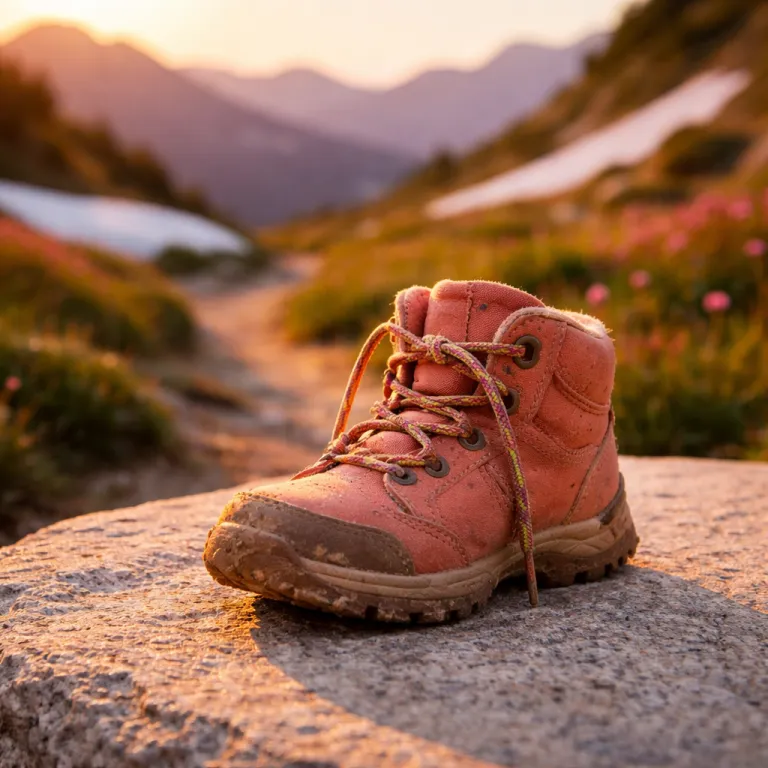
Why late spring is the sweet spot for atlas hiking with kids
Atlas hiking in late spring is that narrow, golden window families rarely hear about. There is a brief period from late May into early June when the High Atlas mountains around Imlil, at roughly 1,740 m, stay cool enough for children, while Marrakech has already slipped into pool and shade mode. Late in the season the foothills remain green, the Toubkal peaks still hold snow on their highest aspects at 4,167 m and the air feels clear rather than harsh.
Average daytime temperatures for family treks at this time of year sit around 18 to 22 °C in the high passes, while Marrakech hovers closer to 28 to 30 °C and pushes families back to their riad courtyards by mid afternoon. According to Morocco’s national meteorological service, Direction de la Météorologie Nationale, by July the same Atlas mountain foothills can exceed 35 to 38 °C and any serious hiking trekking with younger children becomes a different proposition entirely. That is why this is the best time for a moderate hike in the High Atlas range if you want to balance comfort, safety and a sense of adventure.
Local guides and tour operators who work across the Atlas Mountains agree that this seasonal opportunity matters. One of the most common questions they field is simple; “Is late spring a good time to hike the Atlas Mountains? Yes, late spring offers mild weather and blooming landscapes.” A guide in Imlil described it as “the month when families can walk all day and still want to come back tomorrow.” Families who choose this time frame enjoy gentler elevation gain, longer day hikes and more relaxed day trip logistics, while still feeling the full experience Atlas landscapes can offer.
The two atlas routes that actually work for families
For atlas hiking late spring with children aged seven and above, two routes stand out as both realistic and rewarding. The first is the classic Imlil and Toubkal National Park corridor, where you base in a comfortable mountain lodge and use local guides for moderate day hikes into Berber villages and towards the waterfalls above the valley. The second is the gentler Aït Bougmez valley in the central High Atlas, where the terrain is softer, the villages more spread out and the pace naturally slower.
From Marrakech, the road over the Tizi Tichka pass into the High Atlas Mountains can feel like a journey in itself, but in late spring the asphalt is usually clear and the views across the Atlas range are wide open. The drive to Imlil typically takes around 90 minutes to two hours, while the route towards Aït Bougmez can stretch to five or six hours with stops. Families who prefer a three day rhythm from a city base can follow a pattern similar to the one outlined in our guide to crossing the Atlas Mountains from a Marrakech base, using Imlil for one full day trip and keeping another day for a lighter hike near the Anti Atlas foothills. This keeps the driving time manageable while still giving a real experience of Atlas scenery.
In Imlil, the trail network inside Toubkal National Park allows for short day hikes that touch Berber villages, walnut groves and clear streams without committing to a full multi day trek to Mount Toubkal itself. Typical family routes, such as the out and back path to Aroumd or the balcony trail towards Sidi Chamharouch, involve 250 to 400 m of elevation gain and three to five hours of walking at a relaxed pace. You might follow a moderate hiking route up to a balcony above the valley, pause for mint tea in a Berber village and then descend past small waterfalls before the afternoon heat builds. One family with ten and twelve year olds, for example, spent a morning walking to a village school, shared a simple tagine lunch with their hosts and still made it back to their guesthouse by mid afternoon. In Aït Bougmez, families can walk between villages on almost flat paths, usually gaining no more than 150 m in a day while watching farmers work terraced fields under the Morocco high peaks that rise behind the green valley floor.
Where to stay: kasbahs, ecolodges and Marrakech bases
Choosing the right base is what turns atlas hiking late spring from a logistical puzzle into a pleasure. Many families split their time between a refined Marrakech stay and two or three nights in the High Atlas Mountains, using a property such as Kasbah du Toubkal above Imlil as their mountain anchor. Others prefer to spend more nights in Aït Bougmez ecolodges, trading medina energy for long views across the valley and quieter evenings.
Kasbah du Toubkal sits above the village of Imlil at the edge of Toubkal National Park, which makes it ideal for short day hikes with limited elevation gain and easy access to Berber villages. Staff can arrange a private guide for a moderate hike tailored to your children’s pace, whether that means a half day loop above the Atlas mountain terraces or a longer trek towards the refuge on the way to Mount Toubkal. One parent summed it up simply after a May visit: “We could walk straight from the door, hike for four hours and still be back in time for the kids to nap.” For families who want a seamless combination of city and mountain, our review of Atlas and Sahara programs that finally match your riad standards outlines itineraries where luxury hotels in Marrakech pair naturally with mountain retreats.
In Aït Bougmez, small ecolodges offer simple but thoughtful comfort, with fireplaces for cool evenings and terraces facing the High Atlas range. Here, atlas hiking late spring means walking out directly from your door, following irrigation channels between villages and watching children play under poplar trees while Morocco high peaks frame the horizon. Families who crave a stronger contrast sometimes add a night near Todgha Gorge or the Anti Atlas, but for younger children it is usually wiser to keep the focus on one valley and avoid long transfers.
How to pack, pace and time your late spring trek
Even in late May, atlas hiking late spring demands respect for the mountains and for your children’s limits. Temperatures can swing quickly between sunny afternoons and cool evenings, especially at higher points near Toubkal National Park or the passes above Imlil. The key is to think in layers, hydration and sun protection rather than in heavy gear or technical equipment.
Families consistently underestimate how strong the sun feels at altitude in Morocco, even when the air temperature seems moderate during a day hike. Pack wide brimmed hats, high factor sunscreen, light long sleeves and at least one warm layer per person for early morning starts in the High Atlas. As local guides often remind guests; “What should I pack for a late spring trek in the Atlas Mountains? Pack layered clothing, sturdy boots, and sun protection.” A small first aid kit, blister plasters and a reusable water bottle for each hiker also make a noticeable difference on longer days.
For atlas hiking late spring, aim to start each hike early, reach your highest point by late morning and be descending towards your village base or kasbah by early afternoon. After mid June, the same itinerary can feel like a different trek, with higher daytime heat, more demanding elevation gain for children and less forgiving conditions on exposed sections of the Atlas Mountains. If you are planning routes or stays that combine several regions, our guide to travel in Morocco with kids sets out routes that work for families and hotels that genuinely welcome younger guests, from Berber villages in the High Atlas to properties closer to the Anti Atlas and Todgha Gorge.
FAQ
Is late spring really the best time for family hiking in the Atlas Mountains?
Late spring is widely considered the best time for family hiking trekking in the Atlas Mountains because temperatures at altitude stay around 18 to 22 °C while trails are clear of deep snow. Wildflowers line the paths in valleys such as Imlil and Aït Bougmez, and the higher slopes of Mount Toubkal still look dramatic with lingering snow. By contrast, July and August bring much higher heat in the foothills, which makes longer day hikes with children far more demanding.
Can we hike around Toubkal without attempting the summit?
Yes, many families choose atlas hiking late spring around Toubkal National Park without going for the summit of Mount Toubkal itself. From Imlil, you can follow moderate hiking routes that pass through Berber villages, orchards and small waterfalls with only modest elevation gain. These day trips give a strong experience of Atlas landscapes while keeping the trek length and difficulty appropriate for children.
Are guided tours necessary for atlas hiking late spring with kids?
Guided tours are not strictly required, but they are strongly recommended for families, especially on their first visit to Morocco high regions. Local guides know how to adjust the pace of each hike, choose the safest paths in the High Atlas and time breaks in Berber villages for shade and refreshments. As one local answer puts it clearly; “Are guided tours available for Atlas Mountains trekking? Yes, numerous local guides and tour operators offer services.”
How many days should we plan in the High Atlas with children?
For atlas hiking late spring, three to four nights in the High Atlas Mountains usually works well for families with children aged seven and above. This allows for two or three full day hikes around Imlil or Aït Bougmez, with one lighter day trip or rest day built in. Shorter stays are possible from a Marrakech base, but you will spend more time in the car and less time actually walking between villages in the Atlas range.
What safety tips should families follow on mountain trails?
Families should start each hike early, carry enough water for the whole day and watch for signs of fatigue or altitude discomfort in children. Stick to established paths in Toubkal National Park and other marked areas, and avoid pushing on if the heat builds or the weather changes suddenly. Respect local customs in Berber villages, dress modestly and always ask before photographing people, which helps keep the experience of the Atlas respectful for both guests and hosts.