What is a riad in Morocco and why it feels different from a hotel
A riad in Morocco is a traditional Moroccan house built around a central courtyard. The inward-facing architecture protects families from the heat and noise outside, while the courtyard garden and fountain create a cool microclimate at the heart of the home. When travellers ask what a riad in Morocco truly is, the answer lies in this balance between privacy, climate control, and refined daily life.
Historically, wealthy merchants commissioned traditional Moroccan architects to design riads inside the medina, where thick walls shielded them from the busy streets. These courtyard homes were not just houses; they were statements of status, culture, and Islamic values of modesty and hospitality. Today, many of these historically authentic homes have become luxury riad hotel properties that still feel more like a private Moroccan house than a conventional hotel.
Unlike a standard hotel in Marrakech, a Moroccan riad usually has fewer rooms arranged around the central courtyard, with common areas flowing naturally between indoors and outdoors. You step through a plain door in the medina walls and suddenly enter a lush courtyard garden with zellige tiles, carved stucco, and tadelakt plaster. This contrast between the quiet interior and the lively medina outside is what makes a stay in a riad Morocco experience so memorable for guests.
Riad architecture and the role of the courtyard garden
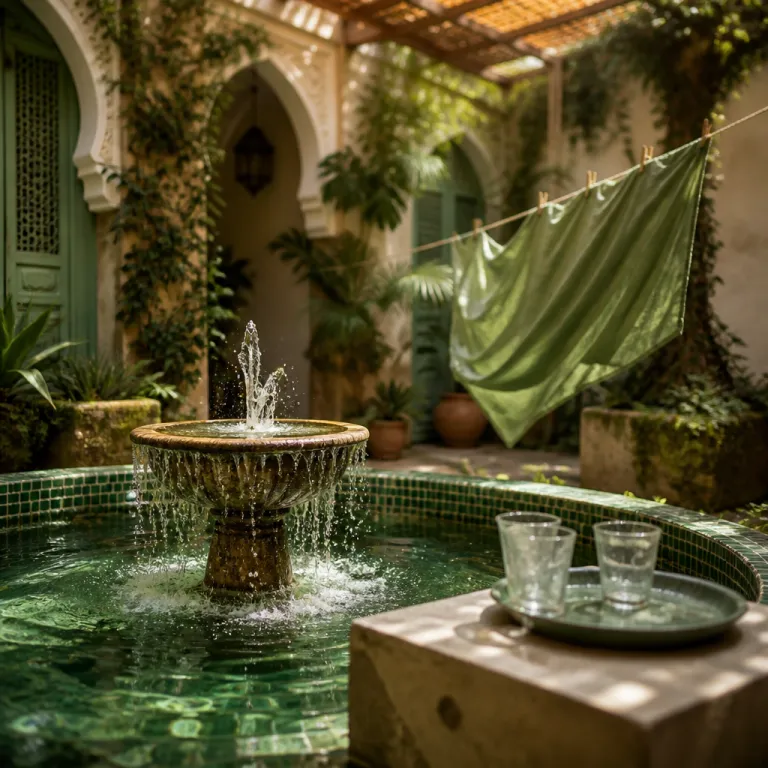
To understand what riad architecture really means, you need to start with the courtyard. The central courtyard is the organising principle of every riad traditional home, shaping how light, air, and social life move through the building. In many riads Morocco wide, this courtyard garden includes orange trees, palms, or jasmine, with a small pool or fountain that cools the air naturally.
Traditional Moroccan architects used thick walls, limited street-facing windows, and high ceilings to keep rooms comfortable during the hottest days. They combined zellige tiles, carved plaster, and cedarwood ceilings to create common areas that feel both refined and practical for daily life. If you want to go deeper into these details, a specialised travel guide to Moroccan craftsmanship will often explain how zellige, tadelakt, and cedar separate a great riad from a tourist trap, and you can explore this in more depth through an article focused on zellige, tadelakt, and cedarwood details.
Many riads in Morocco now add rooftop terraces above the garden courtyard, giving guests views over the medina and the distant desert hills. These rooftop terraces often become the most loved common areas, where breakfast included is served or where guests relax after long days in Marrakech. When you stay in a riad hotel, you experience how this layered architecture turns a simple Moroccan house into a calm vertical world of courtyard, rooms, and sky.
From private Moroccan house to luxury riad hotel
The story of what a riad in Morocco has become is also a story of restoration. Over the last decades, modern hoteliers and local artisans have worked together to convert old riads into refined riad hotel properties. Their goal is to keep the historically authentic architecture while adding the comforts international travellers expect during several days in Marrakech or Fès.
Many of these riads Morocco travellers book today still belong to families of former wealthy merchants, or they have been carefully restored under the guidance of architects who respect Islamic and Moroccan culture. They retain the central courtyard, garden courtyard, and traditional Moroccan finishes, but they integrate discreet air conditioning, high-quality bedding, and reliable Wi-Fi into the rooms. This combination of riad traditional design and modern amenities is what makes a stay in a riad Morocco option so appealing for guests who usually choose a hotel.
When you compare what riad stays offer with a conventional hotel stay, the difference is intimacy and scale. A typical riad hotel might have eight to fifteen rooms around the courtyard garden, while a city hotel can host hundreds of guests at the same time. That smaller scale means staff quickly learn your preferences, from how you like your breakfast included each day to the kind of day trip or desert tours you might enjoy after a few days Marrakech based in the medina.
Life inside a Moroccan riad: rooms, common areas, and rooftop terraces
Daily life inside a Moroccan riad follows the rhythm of the courtyard and the rooftop terraces. In the morning, you wake to filtered light in your room as it reflects off the central courtyard, and often you smell fresh bread and coffee being prepared for breakfast included in your stay. Many riads in Morocco serve this first meal either in the courtyard garden or on the roof, depending on the season and the weather.
Rooms in a riad traditional house are usually arranged on two or three levels, with doors and windows facing inward toward the garden courtyard rather than the street. This inward orientation keeps the medina noise outside, while the thick walls and shaded common areas help regulate temperature throughout the day. You move between your room, the courtyard, and the rooftop terraces in a gentle vertical loop that feels very different from walking down long hotel corridors.
Common areas in a riad Morocco property often include a salon with low Moroccan sofas, a small library, and sometimes a plunge pool in the courtyard. Guests use these spaces to plan tours, read a travel guide, or speak with staff about a day trip to the desert or nearby valleys. Because there are fewer rooms than in a hotel, you share these spaces with only a handful of other travellers, which makes conversations about Moroccan culture, Islamic art, and the architecture of the medina feel natural and unhurried.
Choosing the right riad in Marrakech and beyond
If you are asking what riad options suit your trip, start with location. Staying in a riad in the medina of Marrakech places you inside the historic heart of the city, where you can walk to the souks and main squares within minutes. For many travellers, several days Marrakech based in a riad hotel inside the walls, followed by a day trip or overnight in the desert, creates a balanced itinerary.
When you book riads Morocco wide through a luxury and premium hotel platform, look carefully at the architecture and layout. Check whether the riad architecture preserves a generous central courtyard and garden courtyard, and whether rooftop terraces are large enough to serve as real common areas rather than just a narrow viewing platform. Photos should show details such as zellige floors, carved stucco, and tadelakt walls, which signal that the property respects traditional Moroccan craftsmanship.
Practical details matter as much as aesthetics for a comfortable stay riad experience. Confirm how many rooms the riad hotel has, whether breakfast included is standard, and if staff can arrange reliable tours and private transfers for your day trip plans. For evening planning inside the medina, you can also consult in-depth features such as a guide to the medina after dark in Fès and Marrakech, which helps you understand how the neighbourhood feels once the day visitors leave.
Riads, culture, and historically authentic experiences in Morocco
Staying in a riad in Morocco is not only about architecture; it is about entering a living expression of Moroccan culture. The layout of the Moroccan house, with its inward-facing rooms and central courtyard, reflects Islamic values of privacy and hospitality. Shared meals, greetings in Arabic, and the way staff invite you to use the common areas all echo long-standing traditions of welcoming guests.
Many riads in Morocco work with local artisans to maintain historically authentic details, from hand-painted doors to carved plaster around the courtyard garden. This commitment supports the preservation of Islamic and Moroccan decorative arts, which might otherwise be lost as modern construction replaces older homes. When you stay riad rather than in a large hotel, your booking directly contributes to this cultural continuity and to the livelihoods of craftspeople in the medina.
For travellers planning several days in Marrakech or another imperial city, a Moroccan riad can also serve as a calm base between more active excursions. You might spend one day exploring the medina on foot, another day trip into the nearby desert landscapes, and a quieter day reading a travel guide on the rooftop terraces. Over these days, you begin to understand what a riad in Morocco really offers: a private world where architecture, culture, and daily life are woven together.
Planning your stay: practical tips for booking riads in Morocco
When you plan where to stay in Morocco, start by deciding how many days you want in each city. For a first visit, many travellers choose three to four days Marrakech based in a riad hotel, followed by time in the desert or on the coast. This rhythm allows you to enjoy the medina energy, then return to the calm of your riad traditional courtyard garden each evening.
Because demand is high, especially in Marrakech where local tourism authorities estimate that hundreds of riads operate in the medina, it is wise to book early. Informal surveys by travel platforms suggest that the average cost per night in a riad is around 150 United States dollars, which reflects the labour-intensive maintenance of riad architecture and personalised service. When you compare options, look for clear descriptions of rooms, common areas, rooftop terraces, and whether breakfast included is part of the rate.
Before confirming your stay riad choice, contact the property with specific questions about access, tours, and services. Ask how staff can help arrange a day trip to the desert, which travel guide they recommend for walking the medina, and whether they can accommodate your dietary needs at breakfast. As one local explanation puts it clearly for first-time visitors: "Riads are traditional homes with courtyards; hotels are modern buildings with various facilities."
Key figures about riads and luxury stays in Morocco
- Local tourism offices indicate that Marrakech has one of the highest concentrations of riads in Morocco, with several hundred properties operating in the medina at any given time.
- Industry estimates place the average cost per night in a riad at about 150 United States dollars, positioning many riad hotel properties in the premium segment compared with standard city hotels.
- Observers of the hospitality sector note a steady increase in the restoration of historically authentic riads into luxury accommodations, which supports local artisans and preserves traditional Moroccan architecture.
- Tourism data and booking trends show growing popularity of riads among international visitors who want to stay inside the medina rather than in larger hotels outside the historic walls.
- Many restored riads now integrate sustainable practices such as water-saving fountains in the courtyard garden and energy-efficient lighting in common areas, aligning cultural preservation with environmental responsibility.
Frequently asked questions about staying in a riad in Morocco
What is the difference between a riad and a hotel in Morocco ?
A riad is a traditional Moroccan house built around a central courtyard, usually located inside the medina and designed with inward-facing rooms for privacy. A hotel is typically a modern building with outward-facing windows, larger capacity, and more standardised facilities. Travellers who choose a riad hotel often do so for the intimate scale, historically authentic architecture, and direct contact with Moroccan culture.
Are riads suitable for families and longer stays ?
Many riads in Morocco are well suited to families, especially those with several rooms grouped around the same courtyard garden. Because common areas and rooftop terraces are shared by fewer guests than in a hotel, parents can keep an eye on children more easily while still enjoying some privacy. For longer stays of several days in Marrakech or Fès, a riad traditional layout can feel like a private Moroccan house with hotel-level service.
Do riads usually include meals such as breakfast ?
Most riads in Morocco offer breakfast included in the nightly rate, often served in the central courtyard or on the roof. The meal typically features Moroccan bread, pastries, fresh fruit, and hot drinks, with some riad hotel kitchens adding eggs or local specialities. Some riads also prepare dinners on request, which can be convenient after long days of tours or a day trip to the desert.
How far in advance should I book a riad in Marrakech ?
Because Marrakech is the most popular city for riads Morocco wide, booking several weeks or even months ahead is advisable, especially for peak seasons. With a dense concentration of properties in the medina, choice is wide but the best located riads with generous courtyard gardens and rooftop terraces fill quickly. Early booking also gives you time to ask detailed questions about rooms, common areas, and any tours or transfers you want to arrange.
Can a riad help organise tours and day trips from the medina ?
Yes, most riad Morocco properties work closely with licensed guides and drivers to arrange tours and day trip experiences. Staff can help you plan walking routes through the medina, cultural visits focused on Islamic architecture, or excursions to the nearby desert and mountain valleys. Using the riad as your base ensures you return each day to a calm courtyard garden and familiar team who understand your preferences.