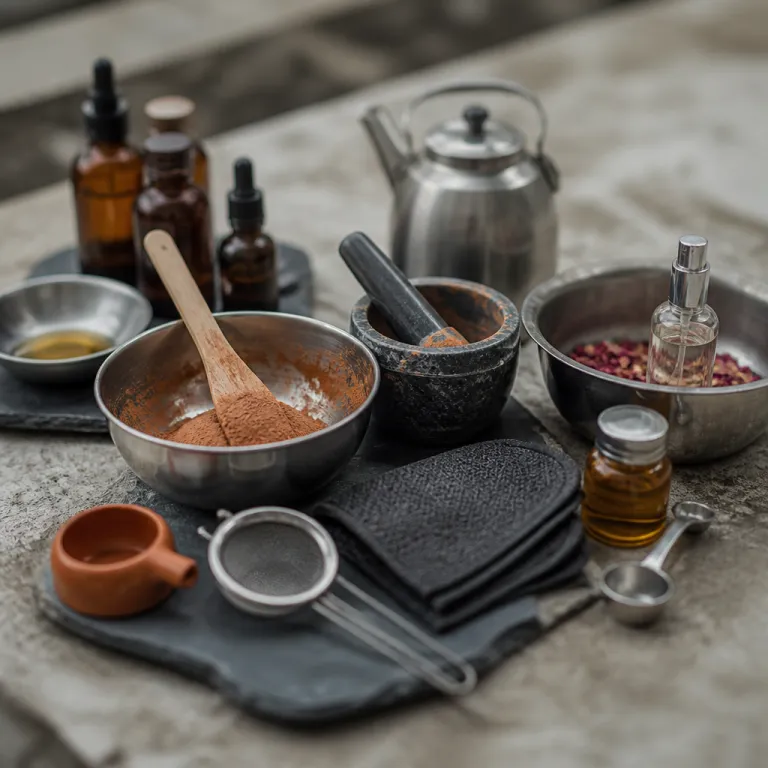
Moroccan spa ingredients hammam guide for an authentic hotel ritual
Why moroccan spa ingredients matter when you book a hammam
Luxury hotels in Morocco love to promise an authentic hammam spa, yet the real story sits quietly in the bowl of black soap and the small vial of argan oil. A serious moroccan spa ingredients hammam guide always starts with what touches your skin and body, not with the marble, the music or the Instagram friendly lanterns. When you understand each traditional moroccan ingredient, you can tell instantly whether a hammam experience is rooted in heritage or in marketing.
Across Morocco, from Marrakech riads to Atlantic thalasso resorts, therapists still rely on four pillars of moroccan skincare: argan, ghassoul clay, rose water and savon beldi, the iconic olive based black soap. These ingredients shape every hammam ritual step, from the first steam that softens dead skin cells to the final rinse that leaves your hair and body faintly perfumed and weightless. A thoughtful moroccan hammam treatment will weave them together in a clear sequence, while weaker hammams scatter them like props without respecting their purpose.
For solo travelers using a luxury hotel booking website, ingredient lists are your best filter before you commit to a moroccan bath. Look for mentions of ghassoul clay mask, cold pressed argan oil and distilled rose water rather than generic “seed oil” blends and imported soap. When a property explains how it sources hammam spa products from specific cooperatives in Morocco, you are far more likely to receive a grounded hammam experience than a perfumed steam room with little exfoliation.
The four essential ingredients in any serious moroccan hammam
Think of a moroccan hammam as a choreography of ingredients, each one designed to meet your skin at a precise moment. The first essential is savon beldi, the soft black soap made from olives that prepares the body for exfoliation by loosening dead skin without stripping natural oils. A therapist will smooth this black soap over warm, damp skin in the steam room, letting it sit so that your pores open and your skin cells soften.
Next comes ghassoul clay, a mineral rich hammam clay mined in the Atlas Mountains near Fès and often blended into a silky ghassoul clay mask for both hair and body. Applied after the kessa glove scrub, this clay draws out surface impurities while leaving the skin surprisingly supple rather than tight, which is why serious moroccan skincare menus highlight ghassoul rather than anonymous clay. Studies on Moroccan clays published in regional cosmetic journals describe ghassoul as a natural cleanser that supports gentle sebum regulation and provides trace minerals to the skin, although terms like “detox” are marketing shorthand rather than strict scientific language.
Argan oil follows as the restorative phase, a seed oil pressed from argan kernels in southwestern Morocco and used to seal in moisture after the hammam ritual has deeply cleansed the body. High quality cosmetic argan oil should feel light, absorb quickly and smell gently nutty, never heavily toasted or perfumed, and it can be used on both hair and skin for a soft sheen. Rose water, often distilled in Kelaat M’Gouna, finishes the hammam experience with a cooling mist over face and décolleté, calming any flushed areas and leaving a subtle moroccan rose note that lingers long after you leave the steam.
On the Atlantic coast, thalassotherapy resorts sometimes blend these traditional moroccan ingredients with seawater based treatments, creating hybrid programs that pair ghassoul body wraps with marine hydrotherapy pools. When you read a spa menu at a coastal property, look for this balance between ocean focused rituals and a clear moroccan hammam ingredient guide that still respects argan, clay and rose. A place that can articulate how it combines marine elements with hammam staples usually delivers a more coherent wellness experience than a generic international spa brand dropped beside the beach.
How to read a hotel spa menu like a moroccan hammam insider
Most luxury hotel websites in Morocco will list a “traditional hammam ritual,” but the language around ingredients separates the serious from the superficial. A credible moroccan spa ingredients hammam guide will specify black soap or savon beldi, a kessa glove exfoliation and a ghassoul clay mask, rather than vague mentions of “oriental scrub” or “exotic wrap.” When you see clear references to argan oil for post hammam massage and rose water for facial toning, you know the spa respects the full ritual rather than just the steam.
Look closely at how the property describes its sourcing, because this is where moroccan and international philosophies often diverge. Royal Mansour in Marrakech, for example, highlights its use of locally sourced argan and ghassoul within a 2 500 square metre spa, while eco lodges such as Atlas Kasbah or Le Douar Berbère emphasise partnerships with nearby cooperatives for clay and seed oil production. When a hotel positions itself as a hammam spa yet relies mainly on imported products, you are effectively paying for a global wellness brand with a moroccan bath label.
For a solo explorer, the most useful comparison is between hotels that integrate moroccan skincare into every step and those that treat it as an add on. Our own guide to luxury spa hotels in Morocco focuses on properties where the hammam experience is built around argan oil, ghassoul clay and rose water rather than just marble and mood lighting. As one therapist in Marrakech explained to a guest, “If you can’t smell olives, clay and rose, you’re not really in a Moroccan hammam.” When you can match the spa menu’s wording to these core ingredients, you dramatically increase your chances of booking a hammam experience that feels both luxurious and genuinely moroccan.
The hammam sequence, step by step, from steam to final rose water mist
A well executed hammam ritual follows a precise sequence, and understanding each step helps you choose the right hotel spa and communicate your preferences. You begin in a warm room where steam slowly softens the skin and body, allowing the pores to open and preparing both hair and skin cells for the treatment ahead. This first phase should feel meditative rather than rushed, because the quality of your later exfoliation depends on how thoroughly the heat has worked.
Once your body is fully warmed, the therapist applies a thin layer of black soap over damp skin, often using savon beldi with a faintly olive scent that signals a traditional moroccan formula. After a short pause in the steam, the kessa glove appears, and this textured kessa fabric is what lifts away dead skin in satisfying rolls along arms, legs and back. A good therapist will adjust pressure according to your comfort, but you should still feel a firm, methodical exfoliation that leaves the skin pink and polished rather than scratched.
Rinsed clean, you move to the ghassoul phase, where hammam clay mixed with water becomes a smooth ghassoul clay paste for both body and sometimes hair. This clay mask sits briefly, drawing out impurities while the minerals condition the skin, and then warm water washes everything away, leaving the body unusually light and refreshed. The final step is a generous application of argan oil, sometimes blended with prickly pear seed oil for extra antioxidant power, followed by a cool splash or mist of rose water that closes the ritual with a quiet, floral note.
Some hammams within luxury hotels will add small details that matter for solo travelers, such as offering disposable underwear for modesty or a choice between mixed gender and women only hammams. If you are unsure about etiquette, our dedicated guide to hammam etiquette in Morocco explains what to expect, how much to tip and how to navigate shared spaces. One frequent guest in Agadir summed it up simply: “The more clearly the spa explains the sequence before you arrive, the more relaxed you feel once the steam begins.” When a property can clearly explain this full hammam experience sequence before you arrive, it usually reflects a spa team that respects both tradition and guest comfort.
Choosing the right moroccan hammam spa: quality checks and red flags
Once you know the moroccan spa ingredients hammam guide by heart, evaluating a hotel spa becomes far easier and far more objective. Start with the basics: does the menu mention black soap, a kessa glove exfoliation, ghassoul clay and argan oil, or does it rely on generic “scrub and wrap” language that could apply anywhere in the world. When a spa lists specific moroccan ingredients and explains their role in the ritual, you are usually in safe hands.
Quality also shows in the small sensory details that any traveler can check without being an expert. Real savon beldi should feel like a thick, dark gel rather than a foaming shower soap, and authentic moroccan black formulations often carry a subtle olive aroma instead of heavy fragrance. Cosmetic argan oil should sink quickly into the skin without leaving a sticky film, while good rose water will smell like fresh petals, not synthetic perfume, and never sting the eyes or sensitive skin.
Behind the scenes, serious spas in Morocco pay attention to therapist training and ingredient provenance, not just to design. Figures shared by Moroccan argan cooperatives and trade bodies indicate that national production reaches several thousand tons per year, yet only a fraction is cold pressed for high end moroccan skincare, so asking about sourcing is not fussy, it is smart. When you read reviews, prioritise comments about the hammam ritual itself — pressure of exfoliation, cleanliness of the steam rooms, freshness of clay masks — over generic praise for decor.
For solo explorers booking through mymoroccostay.com, the most reliable strategy is to combine clear ingredient knowledge with practical checks. Before confirming a hammam spa package, ask whether the treatment includes a full moroccan bath sequence with steam, black soap, kessa exfoliation, ghassoul clay mask and argan oil massage, and whether disposable underwear is available if you prefer extra modesty. When a hotel answers these questions confidently and transparently, you can step into the hammam knowing your skin, body and hair are about to meet morocco at its most refined.
Beyond the hammam: moroccan wellness formats worth booking
Once you have experienced a well executed hammam ritual, the next question is how to extend that sense of clarity into a longer wellness stay. Across Morocco, luxury properties are experimenting with formats that blend traditional moroccan ingredients with global practices, from yoga retreats in the Atlas Mountains to multi day reset programs near Marrakech. The common thread is a respect for argan, ghassoul, rose water and black soap as daily anchors rather than occasional spa treats.
On the Atlantic coast, thalassotherapy centres pair seawater pools and algae wraps with moroccan hammam sessions that still rely on savon beldi, kessa gloves and clay masks between hydrotherapy circuits. In the mountains, eco lodges often integrate hammams heated by wood or solar energy, using locally sourced ghassoul clay and argan seed oil to support nearby villages economically as well as cosmetically. Urban palaces such as Amanjena or La Mamounia, meanwhile, design multi step spa journeys where a hammam experience is followed by targeted massages, facials and hair treatments that continue the work begun in the steam.
For travelers booking through a curated platform, the key is to match your wellness goals with the property’s strengths rather than chasing the most photogenic hammams. If you want deep skin renewal, prioritise hotels that emphasise exfoliation quality, ghassoul clay wraps and moroccan skincare rituals over elaborate pools, while those seeking mental reset might focus on yoga, meditation and quiet gardens paired with gentle hammam spa sessions. Whatever you choose, the same rule applies: when argan oil, rose water, black soap and hammam clay sit at the heart of the program, you are far more likely to leave Morocco with skin that feels transformed and a body that remembers the steam long after the trip ends.
FAQ
What are the benefits of argan oil in spa treatments ?
Argan oil deeply hydrates and nourishes the skin. In a moroccan hammam context, therapists apply this seed oil after exfoliation and clay masks, when the skin is most receptive, which helps restore suppleness without clogging pores. Many luxury spas in Morocco also use argan oil on hair to add shine after steam and rinsing.
How does rose enhance spa therapies ?
Rose soothes and calms skin irritation. High quality rose water, especially when distilled from petals grown in the Dades Valley, is often used as a final mist after a hammam ritual to cool flushed areas and lightly perfume the body. Some spas also incorporate rose petals into baths or compresses to extend this calming effect.
What is the role of hammam clay in skincare ?
Hammam clay supports deep cleansing and helps refine skin texture. In practice, ghassoul clay is mixed with water into a smooth paste and applied as a clay mask over the body and sometimes hair after exfoliation, drawing out excess oil and surface debris while leaving the skin soft. Because the steam has already opened pores, this step enhances both cleansing and mineral contact with the skin.
How can I check ingredient quality before booking a moroccan hammam ?
When reviewing a hotel spa menu, look for explicit mentions of black soap or savon beldi, ghassoul clay, argan oil and rose water rather than generic “natural products.” You can email the spa to ask whether these ingredients are locally sourced in Morocco and whether they use cold pressed cosmetic argan oil instead of perfumed blends. Reading guest reviews that describe the feel and scent of products during the hammam experience also gives useful clues about authenticity.
What should I bring and wear for a hammam in a luxury hotel ?
Most high end hammams in Morocco provide towels, sandals and disposable underwear, so you mainly need a swimsuit if you prefer more coverage and a change of clothes for after the treatment. Leave jewellery in your room, because metal heats quickly in steam and can irritate the skin during exfoliation with the kessa glove. If you have very sensitive skin, you may also bring your own facial cleanser and mention this to the therapist before the ritual begins.