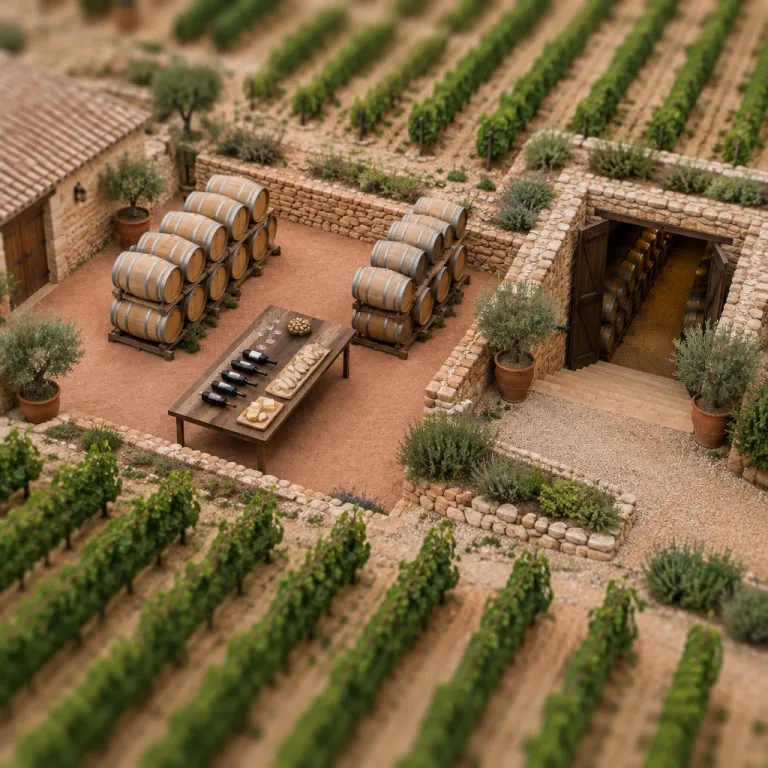
Morocco wine region Meknes tasting for the curious luxury traveler
The Morocco wine region Meknes tasting experience starts long before your first sip. As your car leaves the imperial cities and climbs gently towards the Middle Atlas foothills, the light softens and the air cools, framing the vineyards in a way that feels almost cinematic. This part of Morocco is where the country’s most ambitious winemaking quietly unfolds, far from the clichés many visitors still expect.
Set between the city of Meknes and the ancient Roman site of Volubilis, the plateau benefits from altitude, strong sunlight and cooling breezes that shape both wine and mood. Here, Moroccan wine is not a curiosity but a serious agricultural activity, with vineyards stretching across rolling hills that once supplied the French Protectorate. Luxury travelers who care about food and wine will find that bottles from the Meknes region pair naturally with the country’s refined hospitality, especially when your hotel concierge understands how to curate private tours and tastings.
For business leisure guests extending a stay from Casablanca, Rabat or Fes, this Morocco travel detour is logistically simple and deeply rewarding. The drive from Fes to Meknes region vineyards is manageable in a half day, which makes a day of tastings in Morocco’s primary wine-growing plateau an elegant way to turn meetings into a North African countryside escape. High quality properties in both city and countryside now treat wine tasting as part of a broader culinary narrative, aligning Moroccan wines with olive oil mills, seasonal produce and slow lunches under the vines.
Meknes region vineyards: where Moroccan wine becomes an experience
The Meknes region is the beating heart of the modern Moroccan wine industry. Altitude between roughly 500 and 700 metres, combined with Middle Atlas influences, gives vineyards cooler nights that help preserve freshness in both red and grey wine styles. For travelers used to French or Californian labels, the landscape feels familiar yet distinctly Moroccan, with olive trees, wheat fields and distant minarets sharing space with carefully aligned vines.
Several estates around Meknes and Volubilis now welcome visitors for structured wine tasting sessions. Properties such as Domaine Zouina have become reference points for Moroccan wine, producing syrah, cabernet sauvignon and syrah cabernet blends that show how far winemaking in the country has evolved since the French Protectorate era. These vineyards often sit near elegant villa style guesthouses, allowing you to combine a visit to Morocco wine country with a slow lunch, a walk through the vines and sometimes even a short tour of the cellars.
Expect to encounter both international grape varieties and expressions that feel uniquely North African. Syrah and cabernet are widely planted, often blended into high quality cuvées that pair well with lamb, grilled vegetables and richly spiced tagines. Grey wine, a pale rosé style historically associated with Morocco wine, appears on many tasting flights and offers a refreshing counterpoint to the region’s structured reds, especially during warmer afternoons when your tour schedule stretches from late morning into sunset.
From villa Volubilia to domaine Zouina: estates that welcome luxury travelers
For guests booking through a premium hotel platform, the names that matter in the Meknes region are those that combine serious winemaking with polished hospitality. Villa Volubilia, for example, is often used as a base for private tours that link the Roman ruins of Volubilis with nearby vineyards and long lunches in the countryside. Staying in a villa near the vines allows you to experience the Meknes wine plateau at a slower rhythm, with early morning walks through the vineyards and late evening glasses on the terrace as the Middle Atlas turns purple in the distance.
Domaine Zouina has gained attention among Morocco travel insiders for its focus on high quality Moroccan wines and thoughtful visitor experiences. Here, syrah cabernet blends and cabernet sauvignon based reds sit alongside whites and rosés under labels such as Epicuria and Epicuria cabernet, reflecting a winemaking philosophy that is both ambitious and grounded in tradition. The presence of French winemaker Christophe Gribelin, frequently cited in regional wine media as a key technical figure, has helped bridge French expertise with North African terroir, reinforcing the estate’s reputation among travelers who follow wine industry developments.
Many luxury hotels in Meknes and Fes now maintain close relationships with these estates, arranging private tours that include guided wine tasting, cellar visits and pairings with local olive oil. A curated itinerary might start with a morning visit to villa Volubilia, continue with a tour of Domaine Zouina’s vineyards and end with a sunset apéritif back at your city hotel. For business travelers, this structure fits neatly between morning calls and an evening flight, turning a work trip into a quietly memorable Morocco wine country interlude.
Pairing Moroccan wines with local cuisine at luxury hotels
Moroccan cuisine, with its layers of spice, slow cooked meats and bright herbs, offers a surprisingly natural canvas for Moroccan wine. In the Meknes region, chefs at high quality hotels and countryside villas increasingly collaborate with local estates to design menus that highlight both wine and olive oil from nearby producers. A tasting becomes more compelling when each glass is anchored by a specific dish, whether that is lamb shoulder with preserved lemon or grilled quail with roasted figs.
Syrah based wines from the Meknes region often work beautifully with richly spiced tagines, while cabernet sauvignon and syrah cabernet blends stand up to grilled meats and game. Grey wine, with its pale colour and refreshing acidity, pairs well with mezze style starters, seafood pastillas and salads built around seasonal vegetables and local olive oil. Many luxury properties in the imperial cities now feature Moroccan wines from Meknes on their lists, allowing you to continue your Morocco wine journey even after leaving the vineyards.
If you are interested in going deeper into Moroccan gastronomy, consider combining your Meknes vineyard visits with a culinary workshop. Some of the country’s leading hotels now treat the kitchen as a core amenity, and guides such as Moroccan cooking classes at luxury hotels can help you identify properties where chefs understand both local produce and wine pairing. When the sommelier and the kitchen team collaborate, Morocco wine moves from being a curiosity to becoming an integral part of the dining narrative, especially for guests who value precise, thoughtful hospitality.
How your hotel can curate morocco wine region Meknes tasting tours
For business leisure travelers, the most efficient way to experience Morocco wine country is to let your hotel orchestrate the logistics. High end properties in Meknes, Fes and other imperial cities are accustomed to arranging private tours that combine vineyards, cultural sites and relaxed meals. A well connected concierge can secure appointments at estates such as Domaine Zouina or villa Volubilia, align transfers with your meeting schedule and ensure that language is never a barrier during wine tasting sessions.
When planning Morocco travel, signal your interest in Moroccan wine early in the booking process. Many luxury hotels maintain relationships not only with wineries but also with olive oil producers, allowing them to build a full day Meknes wine region itinerary that includes cellar visits, tastings of Epicuria cabernet or other labels, and stops at countryside restaurants. Some properties even offer in house tastings led by staff trained in winemaking basics, giving you a primer on grape varieties and terroir before you set foot in the vineyards.
As you evaluate hotels on platforms such as mymoroccostay.com, look beyond room categories and spa menus. Pay attention to how properties talk about local sourcing, Moroccan wines and the broader wine industry in the Meknes region, because this reveals their connection to both historic cellars and contemporary producers. For a deeper sense of how seriously a property takes its design and service standards, guides like the three details that separate a great riad from a tourist trap can be as relevant as any wine list, since they highlight the level of care you can expect across every part of your stay.
Autumn harvest in Meknes: timing your morocco wine country stay
Timing matters if you want to feel the full energy of Morocco wine country. Autumn in the Meknes region coincides with the harvest period, when vineyards buzz with activity and the air carries a mix of crushed grapes and damp earth. For travelers who appreciate winemaking as a craft, this is when a visit to the Meknes wine region becomes a window into the entire production cycle rather than just a polished end product.
During harvest, you may see teams moving through the vineyards at first light, tractors shuttling between rows and cellars filling with freshly picked syrah and cabernet sauvignon. Some estates offer limited access to these operations, allowing visitors to observe sorting tables, fermentation tanks and the early stages of Epicuria or Epicuria cabernet cuvées. While not every Moroccan wine producer opens its doors during this intense period, those that do can offer a rare perspective on how North African climate, Middle Atlas influences and human decisions intersect in the glass.
Luxury hotels in Meknes and nearby city hubs such as Fes often build seasonal packages around this moment, combining vineyard tours with spa treatments, hammam rituals and long dinners that showcase both wine and olive oil from the region. For business travelers, aligning a conference or board meeting with harvest season can turn a routine agenda into a more textured Morocco travel experience. The key is to book early, communicate your interest in Moroccan wine clearly and let your hotel’s concierge negotiate access to the most interesting vineyards and cellars.
Reading the glass: what Moroccan wine tells you about the country
Spending a day in the Meknes region’s vineyards offers more than just pleasant wine tasting. Each glass of Morocco wine reflects layers of history, from the influence of the French Protectorate on early plantings to the current generation of winemakers who balance French technique with local traditions. Estates like Domaine Zouina, guided by figures such as Christophe Gribelin, show how international expertise can adapt to North African conditions without erasing regional identity.
For many travelers, Moroccan wines become a lens through which to read the country’s broader evolution. The shift towards high quality production, careful vineyard management and thoughtful branding mirrors changes in Morocco’s hospitality sector, where luxury hotels now compete on authenticity, design and culinary depth rather than just size. When you taste a structured syrah cabernet blend or a refreshing grey wine on a terrace overlooking the Middle Atlas, you are also tasting the confidence of a country comfortable presenting its own narrative.
As you plan your Morocco wine region Meknes tasting itinerary, remember that the most rewarding experiences often happen in the quiet moments between formal tours. A conversation with a cellar hand about this year’s harvest, a spontaneous olive oil tasting in a farmhouse kitchen or a late night glass of Moroccan wine back at your villa can reveal as much about the country as any museum. For the luxury traveler who values depth over spectacle, Morocco wine country is not a detour from the imperial cities but a complementary chapter in the same story.
Key figures on Moroccan wine and the Meknes region
- Morocco has roughly 50 000 hectares of vineyards planted, according to figures often referenced by the Moroccan National Office for Food Safety and regional trade bodies, which places the country among the larger wine producers in the North African and Middle Eastern region.
- Industry estimates frequently suggest that around 75 percent of Moroccan wine production is concentrated in the broader Meknes region and neighbouring areas, underlining why this plateau is considered the country’s primary wine hub.
- Various trade sources indicate that red wines account for more than 60 percent of Morocco wine output, with rosé and grey wine styles representing a significant share of the remainder, which explains their strong presence on restaurant lists in the imperial cities.
- Altitude in key Meknes vineyards typically ranges between about 500 and 700 metres above sea level, creating cooler night time temperatures that help preserve acidity and aromatics in syrah, cabernet sauvignon and other varieties.
- Tourism authorities and hotel groups report that wine related tours and tastings are an increasingly requested add on for high end travelers visiting Meknes and Fes, reflecting a broader shift towards experiential Morocco travel that combines gastronomy, culture and countryside stays.
FAQ about morocco wine region Meknes tasting
Is the Meknes region really the main wine area in Morocco ?
Yes, the Meknes region is widely regarded as the country’s principal wine growing area, thanks to its altitude, climate and concentration of vineyards. Many of the best known Moroccan wine estates are based on the plateau between Meknes and Volubilis. This is why most curated Meknes wine tasting itineraries focus on this zone.
Can I visit vineyards near Meknes without speaking French or Arabic ?
Many estates that welcome international visitors offer tastings and tours in English, especially when bookings come through luxury hotels. Your hotel concierge in Meknes, Fes or another imperial city can arrange guides or drivers who bridge any language gaps. This makes Morocco wine country accessible even for first time visitors to North African destinations.
What grape varieties should I look for in Moroccan wines from Meknes ?
Syrah and cabernet sauvignon are particularly important in the Meknes region, often blended into syrah cabernet cuvées with good structure and spice. You will also encounter other international varieties alongside local expressions, as well as the distinctive grey wine style. Labels such as Epicuria and Epicuria cabernet from estates like Domaine Zouina are frequently highlighted on serious wine lists.
How do I organize a morocco wine region Meknes tasting from my hotel ?
The most efficient approach is to contact your hotel before arrival and express clear interest in Moroccan wine experiences. High end properties in Meknes and Fes usually have established relationships with vineyards, including options such as villa Volubilia or Domaine Zouina, and can arrange private transfers, tastings and meals. This concierge led model suits business leisure travelers who need to integrate wine tours into tight schedules.
When is the best season to visit Meknes vineyards for wine tasting ?
Autumn is particularly atmospheric because it coincides with the harvest period, when vineyards and cellars are most active. Spring also offers pleasant temperatures and clear views of the Middle Atlas, making outdoor tastings especially enjoyable. If your priority is to witness winemaking in motion, align your Morocco wine region Meknes tasting with the harvest window and book early through your hotel.